London’s Chinese restaurant revolution: China’s regional cuisines reimagined from high to low
- A. Wong’s high-end Pimlico restaurant is both a perfect symbol of the changes in London Chinese dining, and how far it has come
- But chef Tongtong Ren believes that dishes can’t be totally authentic and should be allowed to evolve

In recent years, after long being unfairly maligned for its cuisine, London has taken its rightful place in the pantheon of the world’s greatest food cities.
Its heady mix of immigrant cuisine combined with its indigenous culinary tradition have made London perhaps the most exciting eating destination in Europe – yes, even compared to Paris.
Still, the British capital has long been plagued by a gastronomic blind spot – two blind spots if you count their baffling inability to recreate a passable American cheeseburger: Chinese food. That is starting to change as passionate second-generation Anglo-Chinese chefs flex their muscles in the kitchen and new waves of immigrants from all over China bring with them their tastes and family recipes. What they are finding is a new, younger, more open-minded, more global British dining public eager to try anything put in front of them.
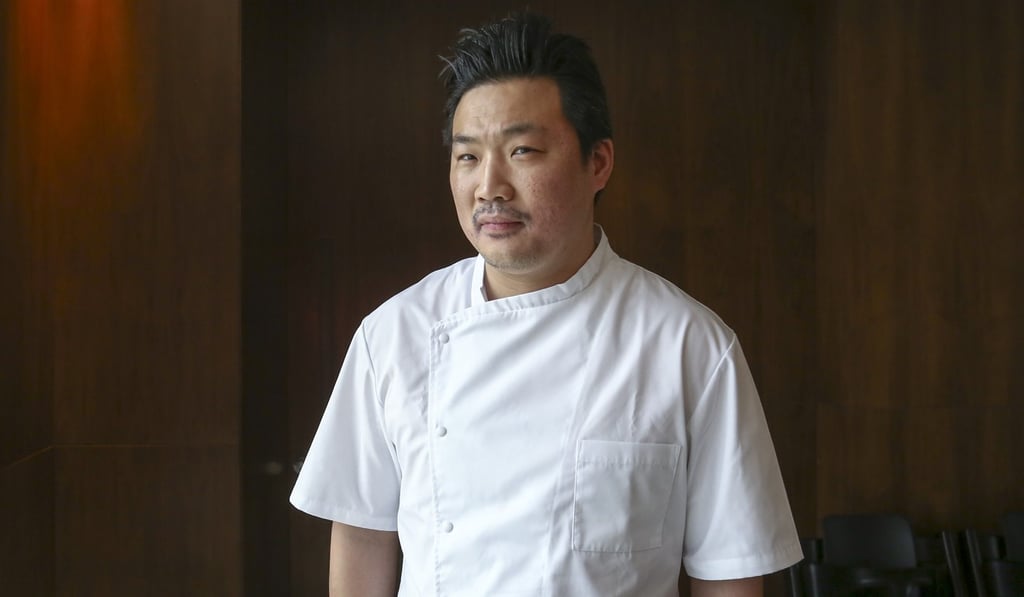
A discussion of London’s burgeoning Chinese food scene would be incomplete without mentioning A. Wong. The high-end Pimlico restaurant is both a perfect symbol of the changes going on in London Chinese dining, and their catalyst.
That Chinese food can be as refined and sophisticated as anything from across the Channel shouldn’t have come as a surprise to the British, who as recently as 1997 were governing the home of Chinese fine dining, Hong Kong. But the Chinese food in London historically lagged dismally behind their possession in the South China Sea.
For years, in many minds the symbol of sophisticated Chinese dining in London was Hakkasan, kym [the Chinese restaurant/nightclub] that was more famous for the celebrity approved scene than its food.