Insect-based foods: why eating bugs will be normal in 10 years, especially among young people
- With predictions that the insect market could grow significantly, it is not just scientists cooking up ways to put bugs on the menu
- From start-ups to large food and agricultural companies, products being created with insects include beer, pasta, energy bars, pancakes and granola

Fancy starting your morning with some grub granola? Or having a wrap for lunch made with insect flour? How about ending the day with stir-fried or barbecued crickets for dinner?
Despite most people balking at the idea of eating bugs, such insect-based foods could become ubiquitous in the next decade or so, according to Lars-Henrik Lau Heckmann, a biologist at the Danish Technological Institute in Aarhus.
The institute is leading the three-year project inValuable, one of Europe’s largest research programmes on industrial-scale production of insects – particularly mealworms – as a more environmentally friendly food for people and animals.
“I believe … young people will find it very natural to make pasta and wok dishes with insects as they today eat sushi,” says Heckmann, standing next to trays of mealworms stacked on top of each other on metal frames three metres (10 foot) high.
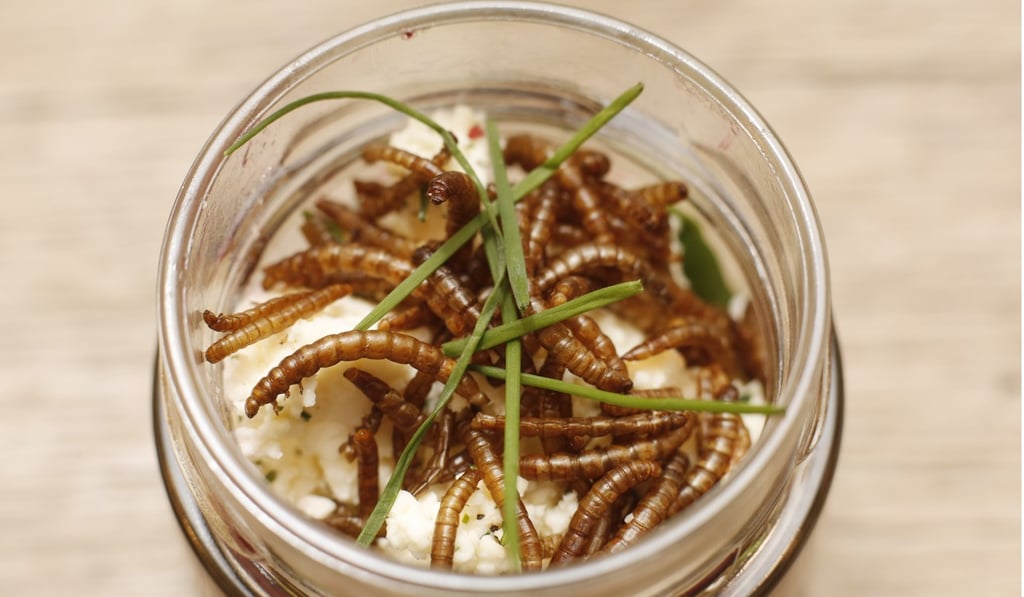
Insect farming is a small – but growing – industry globally, with bugs touted as a sustainable and cheap food that is high in protein, vitamins, fibre and minerals. Their cultivation, meanwhile, has much less environmental impact than meat.
Environmental groups such as WWF have raised concerns that growing demand for animal protein has led to more cultivation of soybeans to feed livestock, and that is causing deforestation.