How Hong Kong oyster sauce dynasty plans a 1,000- year reign: a case study for Asia’s ultra rich
- The family behind Lee Kum Kee sauces hopes to train heirs to avoid squabbles like those that nearly tore the company apart
- Group’s businesses now span much more than sauces, from real estate to health care and venture capital

Now stretching into its fifth generation, Hong Kong’s Lee Kum Kee group has become an instructive case study for ultra-rich Asian families who’ve amassed unprecedented fortunes in recent years. Many are dealing with succession issues for the first time, trying to avoid the Chinese adage that “wealth does not go beyond the third generation”.
The Lee family introduced an unusually comprehensive governance system in the early 2000s after the current patriarch, Lee Man Tat, endured battles for control with his uncles and later his brother. The clan nearly split for a third time in the late 1990s after Lee’s youngest son threatened to strike out on his own.
Family leaders, who sit atop a fortune of about US$15 billion, are now adapting their governance system to appeal to a younger generation of 14 scions. Recent initiatives include turning business units, including the group’s venture capital arm, into a training ground and taking family members on “innovation trips” to places like Silicon Valley and Israel. The lofty goal: keep the business thriving for 1,000 years.
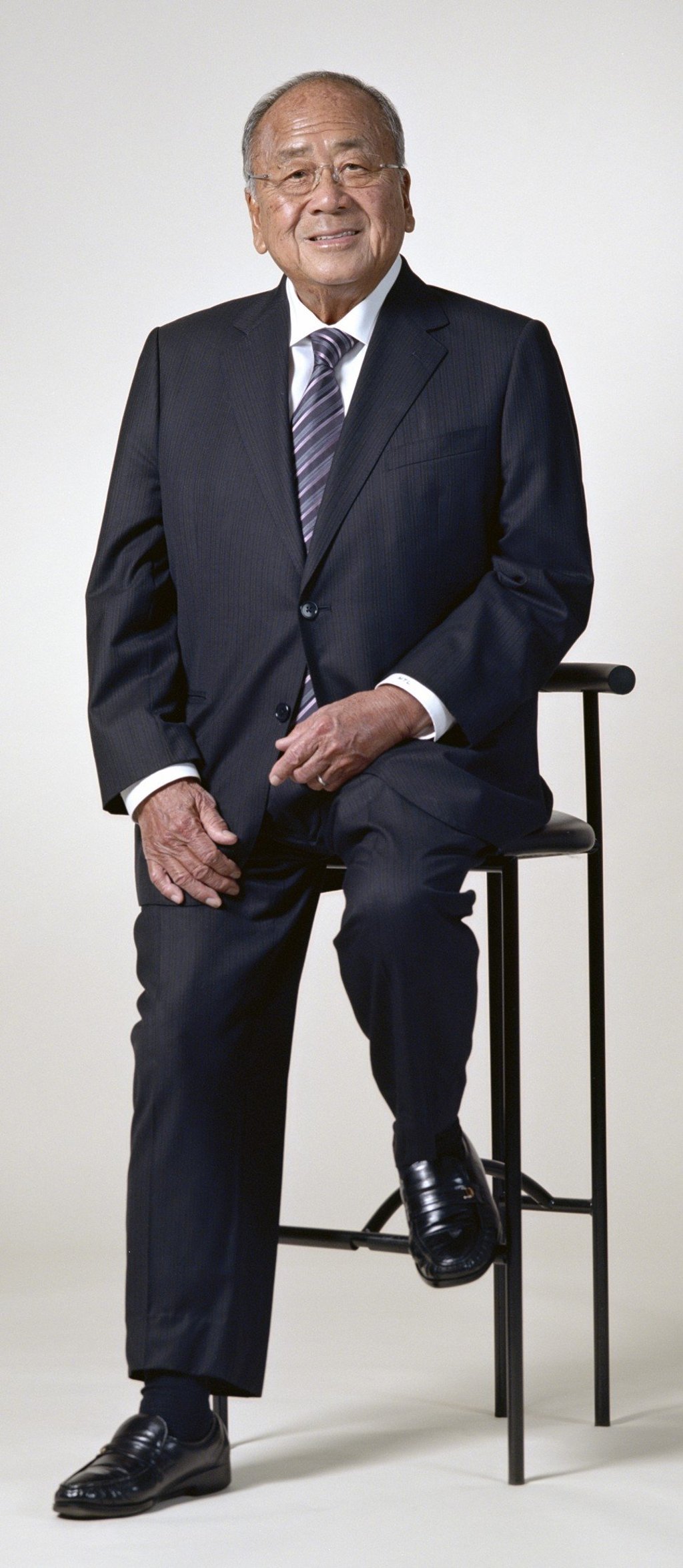
The group’s efforts “resulted in their survival into the fifth generation, a feat unmatched in all but a rare few family businesses”, said Jennifer Pendergast, executive director of the Centre for Family Enterprises at Northwestern University’s Kellogg School of Management, which published a case study on the Lees in 2016 and provided training to some family members.