Ethnic food aisles in supermarkets: racist, as celebrity chef David Chang says, or simply convenient?
- Italian foods such as olive oil and vinegar are integrated in regular aisles, but foods of other ethnicities such as Chinese and Japanese have own sections
- Does this stigmatise ethnic minority shoppers? Experts say not – these aisles help white shoppers who want to try international cuisines find what they need

To millions of shoppers, the supermarket is just a place to stock up on produce and pantry staples to keep the family fed.
But to others, especially children of immigrants who may already feel pushed to the margins of society, the supermarket can be just another place to experience the sting of their outsider status.
The sting occurs whenever they walk down the “ethnic” food aisle, the section of the supermarket that, to some in America, plays out like a remnant of the Jim Crow era, when laws established separate facilities for African-Americans in the post-Reconstruction South.
Sometimes known as the “international” food aisle, or even “Asian” and “Latino” aisles, these rows can come across to the shoppers they seemingly target as de facto segregation, another kind of “separate but equal” policy that marginalised African-Americans for generations.
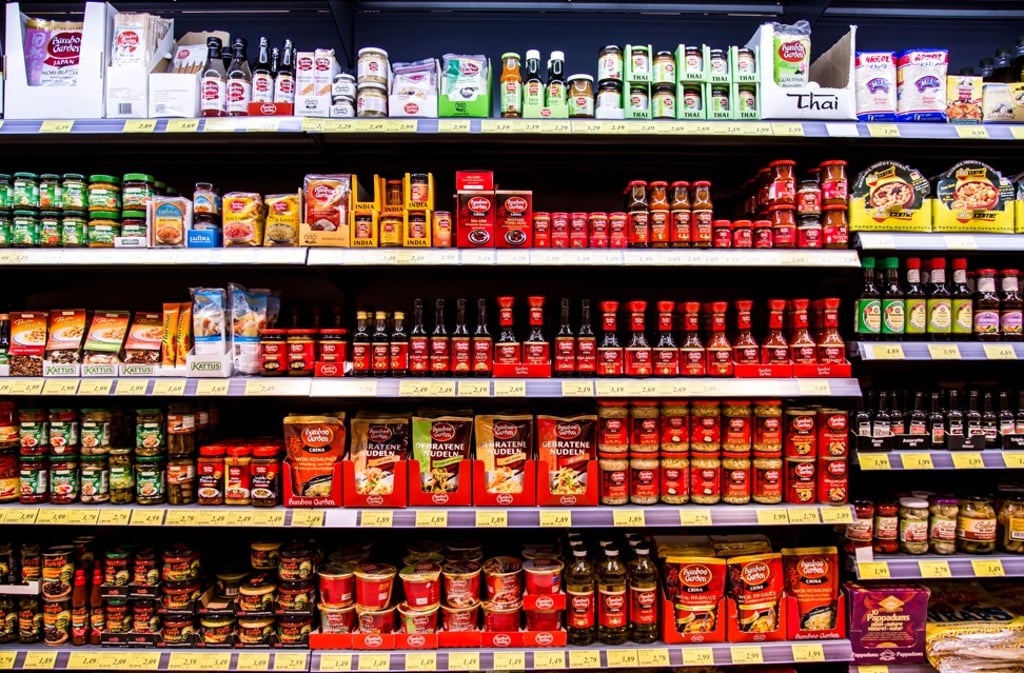
“If you go to the ethnic food aisle, that is sort of the last bastion of racism that you can see in full daylight in retail America,” David Chang, the man at the helm of the Momofuku dining empire, said on his podcast this summer. “It is something that’s got to go.”
In a telephone interview, Chang says there is an “invisible ceiling” on some supermarket items: Italian products that were once marginalised, such as olive oils and vinegars, are now routinely integrated into grocery store aisles, while Chinese, Japanese and Latino foods remain stuck in their own sections. The ongoing segregation of these foods, Chang says, isn’t about acceptance among the mainstream.