How German wine from Saxony has been transformed by fall of communism
- The entire winemaking industry in Germany’s eastern state of Saxony has seen a rebirth since the country’s reunification
- The state only produces a fraction of the nation’s wine, but it is renowned for its quality

Klaus Zimmerling was bored with his mechanical engineering job, when the 1989 fall of the Berlin Wall gave him the impetus to turn his life around.
“At first I didn’t believe it,” he says. “Then I slowly realised that things would change and it was the occasion to start something new.”
The entire winemaking industry in Germany’s eastern state of Saxony has seen a rebirth since the country’s reunification. While the end of the communist East largely spelt the collapse of the region’s industries, small hold vineyards sprang up as state-owned farming co-operatives that once produced food for the masses were dissolved, split up and sold off to private owners.
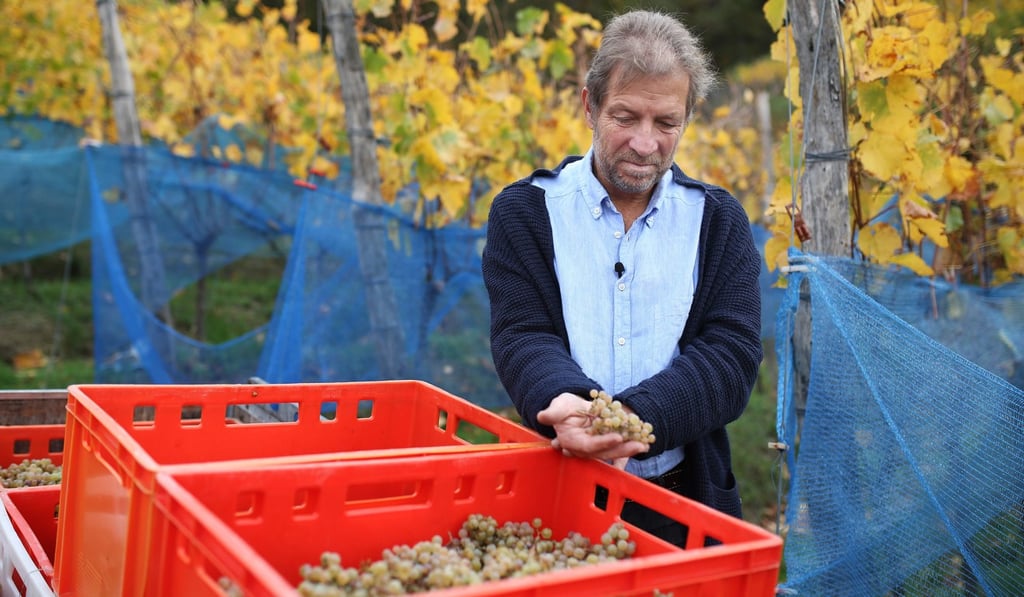
Zimmerling counted among those who pounced on one of these parcels. Recalling the early days of his business, he says: “What was best was the crazy feeling of freedom.”