Sushi without wasabi? The condiment’s future is at risk because of climate change, Japanese farmers fear
- Global warming has made typhoons stronger, with devastating effects for Japan’s wasabi farms, whose production has fallen by as much as 70 per cent
- The horseradish condiment is an essential part of Japanese dishes like sushi and sashimi, but unstable supply means restaurants may have to stop serving it

Masahiro Hoshina, a Japanese farmer, starts worrying about typhoon season months before it begins, haunted by memories of the heavy rains and landslides that washed away wasabi farms during one 2019 storm.
“Recently the power of typhoons feels totally different from before due to global warming. It’s getting stronger,” said the 70-year-old farmer in Okutama, a rural town west of downtown Tokyo.
“Since it’s happened once, there’s no guarantee it won’t happen again.”
Wasabi, the tangy Japanese horseradish that is an essential part of sushi and is dabbed onto slices of raw fish or into bowls of soba buckwheat noodle soup, is usually grown along streams in narrow valleys, leaving farms prone to disasters.
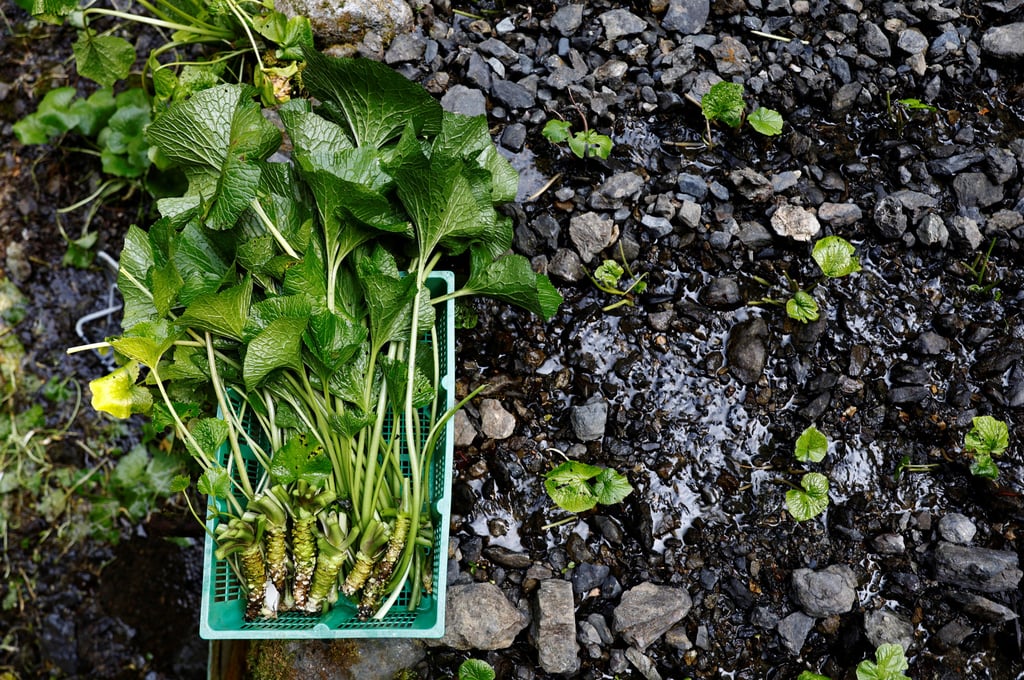
Typhoon Hagibis, which slammed into eastern Japan in 2019, slashed production in Okutama by nearly 70 per cent the next year. The need for replanting and careful tending meant it’s taken nearly three years for farms there to recover.
Experts say global warming is affecting production not only by increasing the number and severity of storms, but with rising temperatures that threaten growth of the plants, which need to be in water a consistent 10-15 degrees Celsius (50-59 degrees Fahrenheit) all year round.