Dumplings – what defines the parcels found in Asian, European, African and Latin American cuisines? Nothing, actually
- From wontons to samosas to chimichangas and even calzone pizza, many foods can be considered dumplings, with no universally agreed-upon definition or origin
- While some shapes and flavours moved along ancient trade routes, what ties all dumplings together is that they’re made from common ingredients

What is a dumpling?
That’s the question I posed to dozens of chefs and other experts over the past year on my quest to understand one of the world’s most beloved, pervasive foods.
“Technically, a spring roll is a dumpling,” chef Shirley Chung says during a recent visit to her Ms. Chi restaurant in Culver City, California. Seated next to her at a table are food writer Andy Wang and culinary consultant and event producer Caryl Chinn.
I sought counsel from these three because they are known for their dumpling expertise – after all, they refer to themselves as the Dumpling Mafia. “The definition is [it] has a wrapper and has a filling. ‘Dumpling’ is a big umbrella,” Chung says.
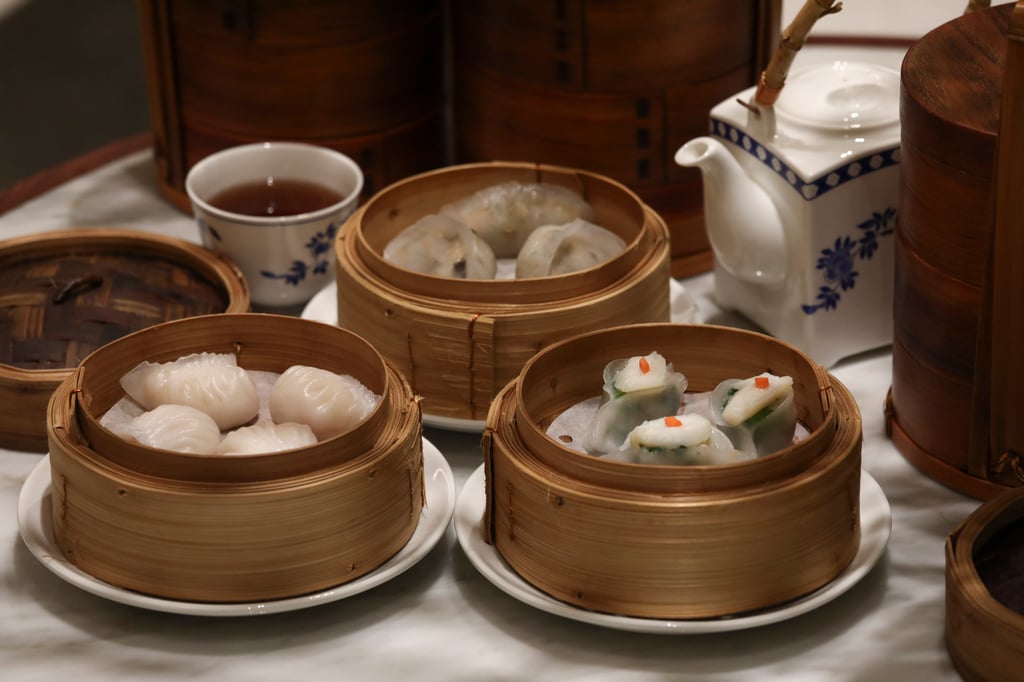
Also on her list of dumplings: cabbage rolls, empanadas, even calzone pizzas, which she refers to as “giant dumplings”.