‘Made in Hong Kong’ pop-up celebrates city’s makers, its tea theme bringing together 25 brands – some for one-of-a-kind collaborations
- Original and crossover products from small Hong Kong manufacturers inspired by the city’s tea culture will be on sale in an exhibition at the Hysan Place mall
- Organiser Nico Tang, a veteran journalist, was inspired by the stories behind these independent Hong Kong makers, and wants more people to know about them

Hong Kong has a strong history of manufacturing, but over the past few decades the label “Made in Hong Kong” ceased being ubiquitous as companies shifted their production to mainland China and countries in Southeast Asia.
Still, home-grown brands remain – and in the past few years several new ones have been launched, and found an eager audience ready to support them.
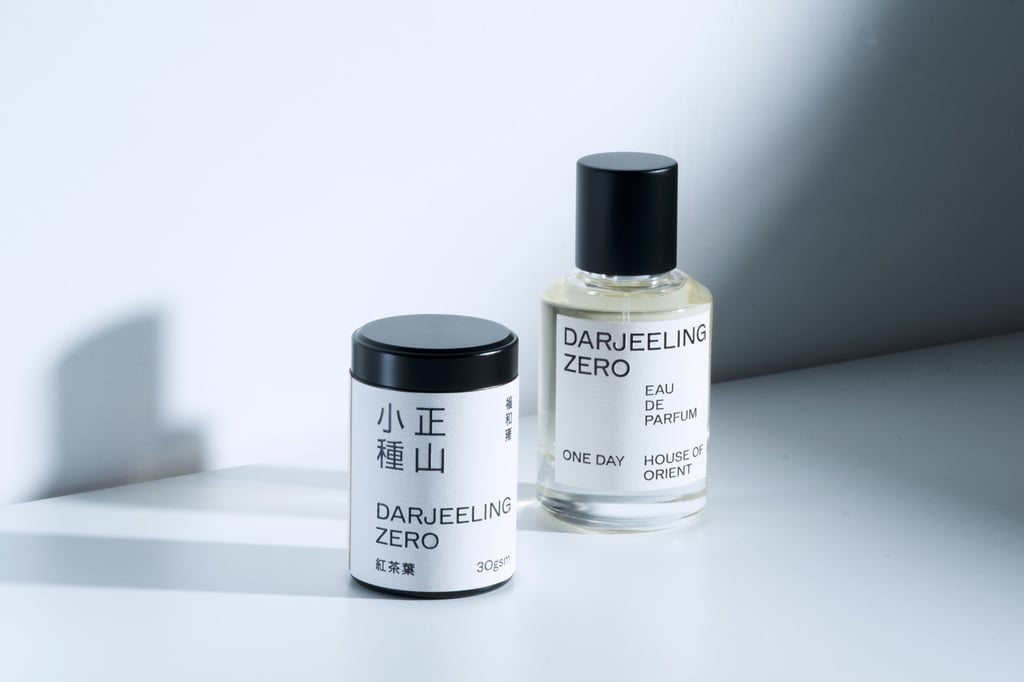
From October 2 until October 30, a pop-up by Hong Kong digital platform 18/22, called Tales of Tea, will be held at the Hysan Place shopping mall in Causeway Bay, featuring 25 independent, made in Hong Kong brands. Several have collaborated to create original products inspired by the theme of tea that will be on display for the first time.
The concept is the brainchild of veteran journalist Nico Tang Kwing-yung, the former chief editor of Hong Kong publication City Magazine. He was deeply inspired by the D47 Museum in Tokyo, which sought to find and promote craftsmanship from all 47 prefectures of Japan.
“I loved this concept, which hadn’t been done in Hong Kong before,” says Tang. “The idea of ‘made in Hong Kong’ used to be stronger, but disappeared somewhat around the 2000s.”