To reduce food waste, ‘best before’ labels are being dropped in Europe; less so in the US – where the problem is greatest
- 17 per cent of global food production is wasted each year, and in the US that figure reaches 35 per cent. Confusion over whether food is safe to eat is a factor
- UK supermarkets are removing ‘best before’ labels from pre-packaged fruit and vegetables and the EU is considering outlawing them

As awareness grows around the world about food waste, one culprit in particular is drawing scrutiny: “best before” labels.
Manufacturers have used the labels for decades to estimate peak freshness. Unlike “use by” labels, which are found on perishable foods such as meat and dairy products, “best before” labels have nothing to do with safety and may encourage consumers to throw away food that’s perfectly fine to eat.
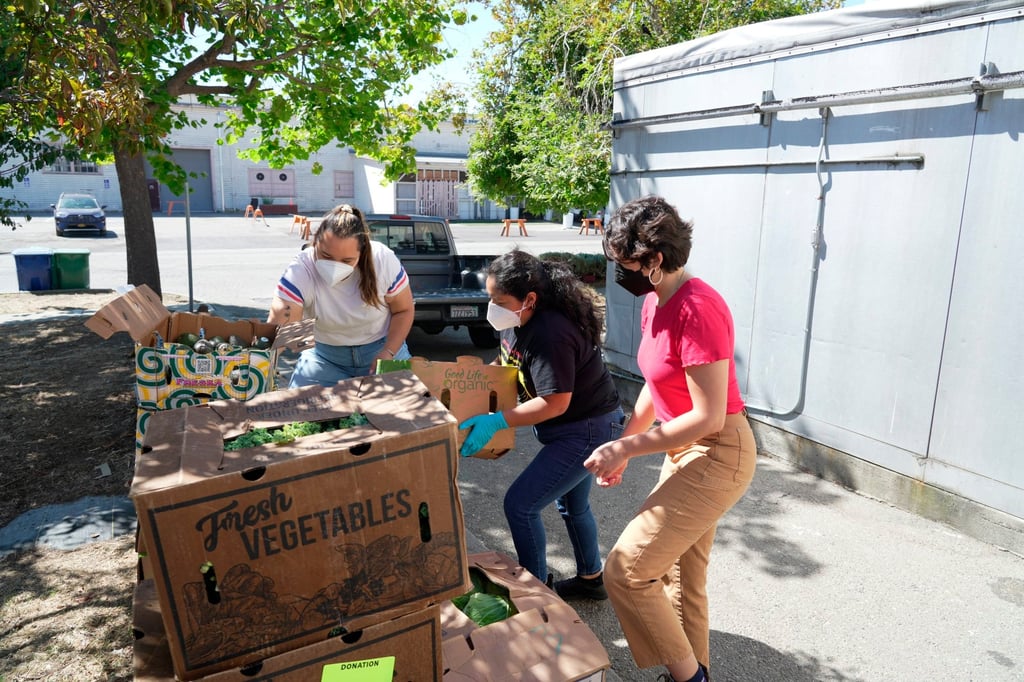
“They read these dates and then they assume that it’s bad, they can’t eat it and they toss it, when these dates don’t actually mean that they’re not edible or they’re not still nutritious or tasty,” says Patty Apple, a manager at Food Shift, a California non-profit that collects and uses expired or imperfect foods.
To tackle the problem, major British supermarket chains such as Waitrose, Sainsbury’s and Marks & Spencer recently removed “best before” labels from pre-packaged fruit and vegetables. The European Union is expected to announce a revamp to its labelling laws by the end of this year; it’s considering abolishing “best before” labels altogether.
In the US, there’s no similar push to scrap “best before” labels. But there is growing momentum to standardise the language on date labels to help educate buyers about food waste, including a push from big grocers and food companies, and bipartisan legislation in Congress.