Advertisement
From the ‘One Chip Challenge’ to YouTube’s Hot Ones, spicy food challenges are under scrutiny as the stakes get higher and people chase likes online
- Eating extremely spicy foods and posting the experience online is a recent phenomenon, with food manufacturers marketing products designed for internet fame
- A One Chip Challenge product has been recalled after an incident in which a teenager in America died after eating the spicy tortilla chip
3-MIN READ3-MIN
1

A tortilla chip maker’s decision to pull its extremely spicy product, sold as a “One Chip Challenge”, from store shelves following the death of an American teenager has drawn renewed attention to the popularity – and risks – of similar dares marketed by brands and spread online.
Spicy food challenges have been around for years.
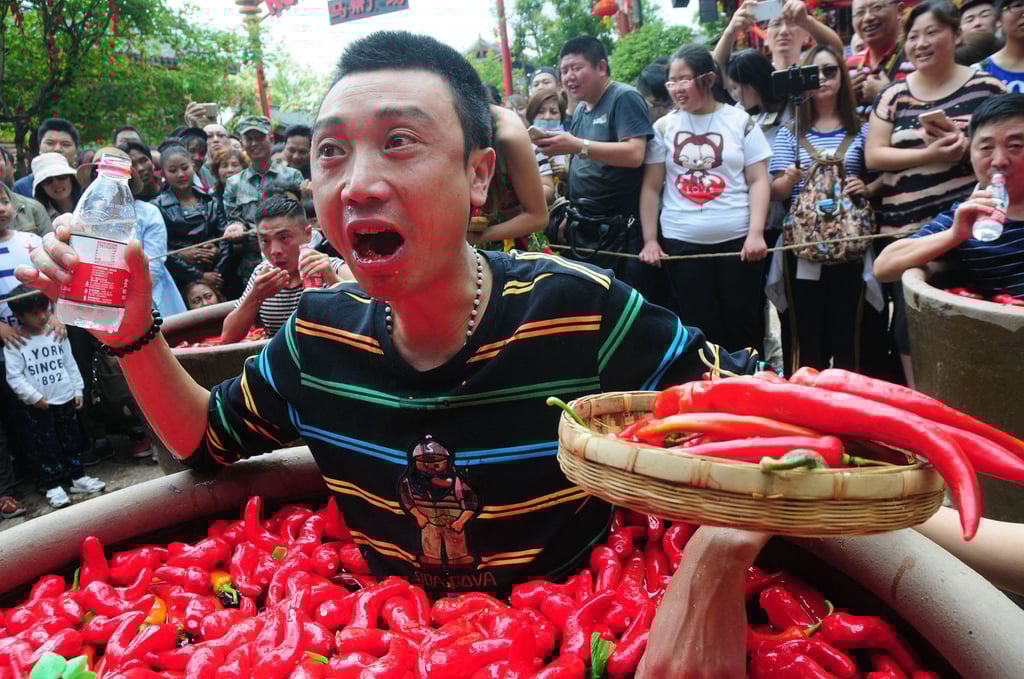
From local chilli pepper eating contests to restaurant walls of fame for those who finished extra hot dishes, people around the world have been daring each other to eat especially fiery foods, with some experts pointing to the internal rush of competition and risk-taking.
Advertisement
But extremely spicy products created and marketed solely for the challenges – and possible internet fame – is a more recent phenomenon, and teens are particularly exposed to them because of social media, associate professor of psychology at Florida International University Elisa Trucco says.
There is a “glamorisation of these challenges on social media”, Trucco said. “You see a lot of ‘likes’ or comments [indicating] social status or popularity from these challenges, but you don’t see a lot of the negative consequences – like the trips to the ER or other injuries.”
Advertisement
Advertisement
Select Voice
Select Speed
1.00x