Burgundy without pinot noir grapes? Climate change pushes the boundaries of winemaking
Climate change is affecting where grapes can be grown, calling into question geographical indications for wines like champagne and Barolo

What is the first industry to fall victim to climate change? There is a decent argument that it already happened – more than 600 years ago.
In 1066, the Normans installed a feudal aristocracy in the British Isles, and the invaders brought with them a love of winemaking.
Those skills flourished in the conditions of the Medieval Warm Period, a patch of unusually high temperatures from about 950 to 1250 that allowed vineyards to spread across the well-drained chalk soils of southern England.
The mild conditions gave way to a frigid period known as the Little Ice Age, however, which held sway until the 19th century. As the climate cooled, English viticulture collapsed.
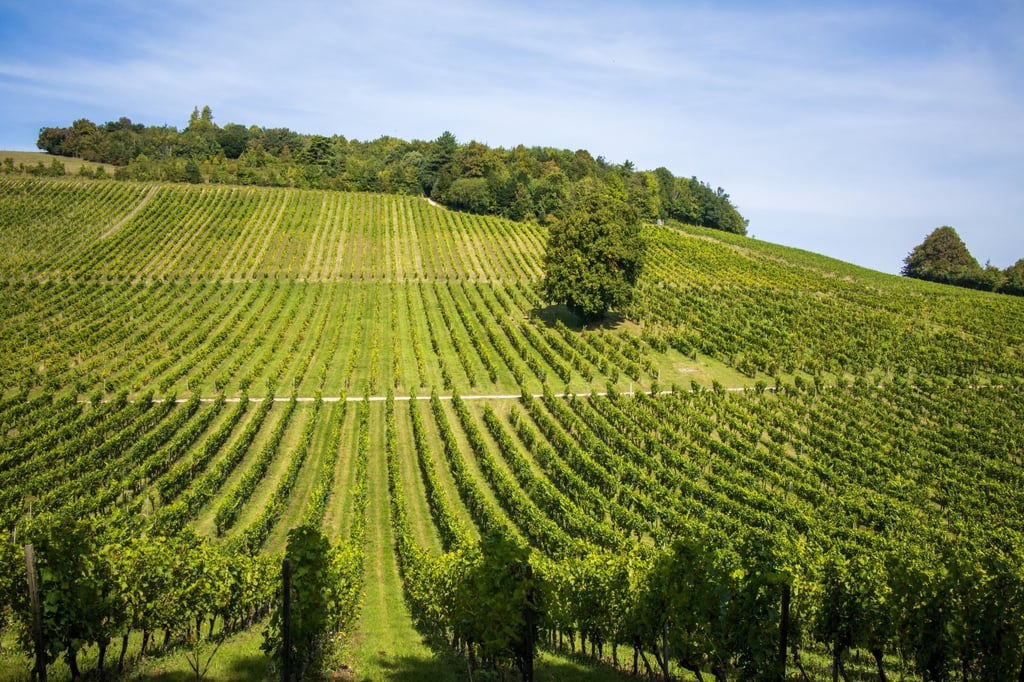
That should be a worrying example if you are a winemaker. Grapevines are notoriously sensitive to the smallest changes in landscape and climate.