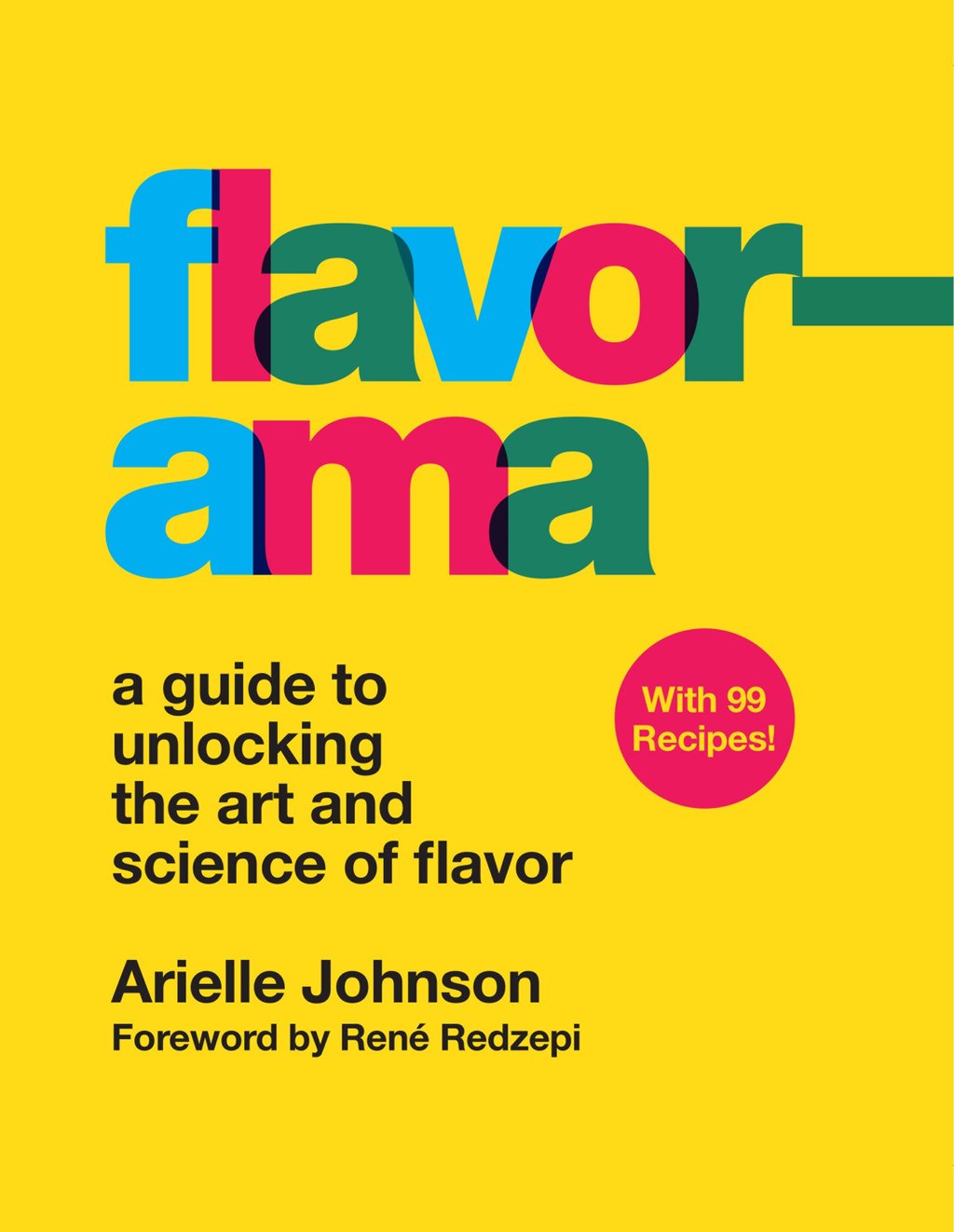
Food scientist’s book Flavorama unlocks secrets of flavour, chefs call it a ‘secret sauce’
Dr Arielle Johnson on why she wrote Flavorama – A Guide to Unlocking the Art and Science of Flavour and how she is bringing science to food

How to describe the scent of ripe strawberries?
Fruity, fresh, floral, perhaps a little buttery, and, of course, sweet. Except that the human nose is unable to detect sweetness.
When it comes to eating chillis, on the other hand, spiciness is neither a smell nor a taste. It is a feeling.
“We detect it with our sense of touch, it’s literally a feeling of pain,” says Dr Arielle Johnson, author of Flavorama – A Guide to Unlocking the Art and Science of Flavour.
“Spiciness is not a taste, but it is a part of flavour; spicy molecules activate pain and temperature sensors in our mouths, and all over our bodies, actually.”