How to use pandan, a versatile leaf that can transform both sweet and savoury dishes
Found in shops specialising in Thai, Vietnamese and other Southeast Asian ingredients, pandan leaves can be used to enrich many dishes

Pandanus amaryllifolius, also known as pandan or screw pine, is a long, slender, tough green leaf with a lovely, pleasant aroma and a delicate but distinctive taste.
You can find fresh or frozen pandan leaves at shops specialising in Thai, Vietnamese and other Southeast Asian ingredients. Look for leaves that are supple and bright green, rather than those that are turning yellow or brown.
Some shops also sell small bottles of pandan extract, although these often taste artificial.
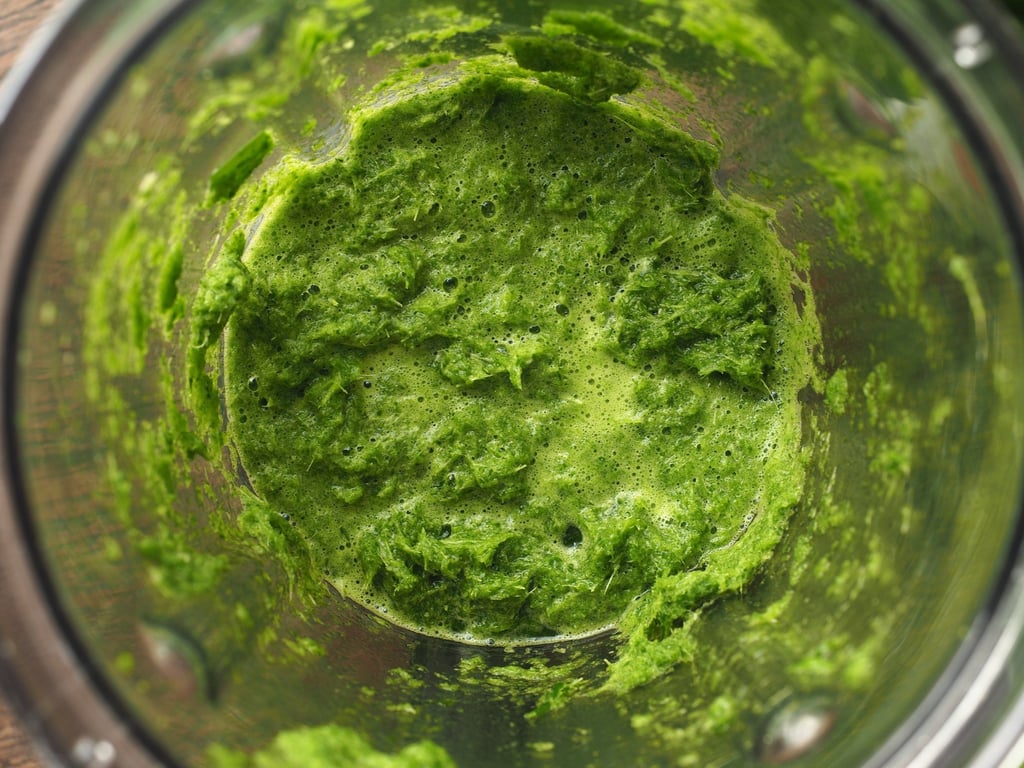
To make your own pandan extract, cut the leaves as finely as possible and place them in a food processor.
Turn on the motor and drizzle in just enough water so that the blade starts chopping the leaves. Process until the leaves turn into a coarse paste, then scrape it into a double layer of moistened, food-grade cheesecloth.
Carefully squeeze out as much liquid as possible into a bowl (this part is very messy). Use the extract to colour and flavour cakes, cookies, crêpes, ice cream and jellies.