How to zest a lemon and the best way to use it to flavour food
Citrus zest – the colourful part of a lemon, orange or lime – can be stripped in many ways for use in marinades, salads, desserts and more

Citrus zest is one of the most powerful and distinctive seasonings you can use, but most people just discard it.
To make the most of it, you need to separate the zest from the pith, which together form the citrus peel (also called the rind or the skin).
The zest has a bright taste and aroma due to the citrus oils it contains, while the pith has a cottony texture and bitter flavour.
There are several methods, of varying efficiency, for removing the zest from the peel. A very sharp vegetable peeler will take off the zest in wide strips, although it usually also removes a layer of the pith, which then needs to be scraped away.
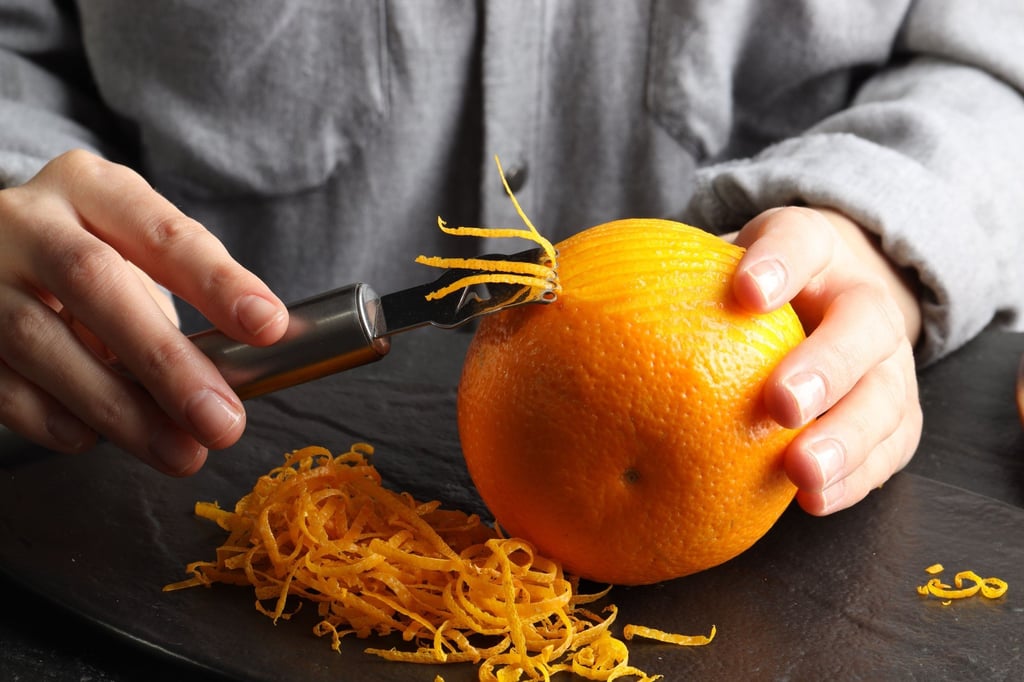
This size is good when you want to infuse the zest in a liquid but also remove it easily – you can just fish it out of a mulled wine, for instance. A citrus channel knife (also known as a “stripper”) works better at taking off the zest in long strands about 3mm wide; this is the tool most bartenders use to create a lemon (or lime) twist for a drink.