How China’s dan dan mian noodle dish made its way to Japan and became so popular
Known as tantanmen in Japan, the sesame-flavoured noodles have spread across the country and appear in a variety of creative takes

There is a choice to be made at this Tokyo noodle bar, and misjudgment could be painful.
The laminated menu lists increasing levels of karasa (heat from chilli oil) and shibire (numbing spice from Sichuan peppercorns) on a scale from one to five.
There is a level six, too, but that invites an additional fee; any wanton spice masochism must be paid for in hard cash as well as incidental sweat and tears.
It seems an unlikely match. Japanese cuisine traditionally venerates light, clean flavours and the essence of each ingredient. So how did the country end up having such a spicy love affair with the dish?
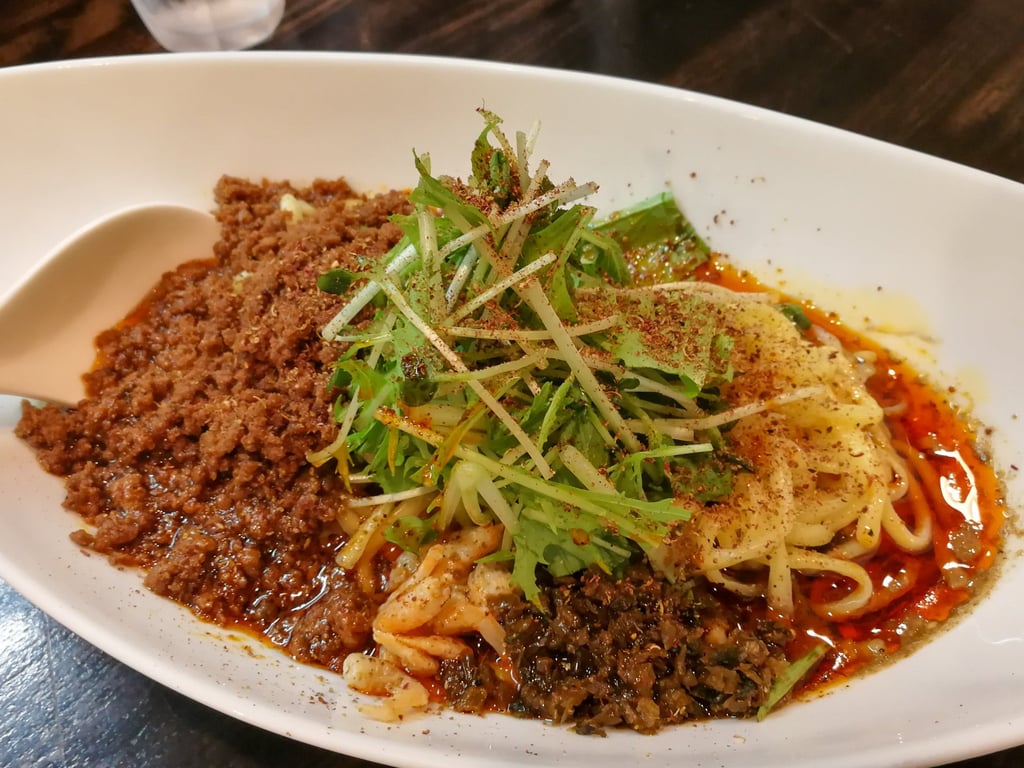
It is a tale that began in southwest China, traversed Hong Kong through the 1940s, and blossomed across Japan in recent decades. And, with increasingly creative versions being cooked up, the story has by no means reached its conclusion.