Why do Chinese love water chestnuts? All about the lucky ‘horse’s hoof’
A humble and vastly underrated ingredient, water chestnuts are used in a popular Lunar New Year dessert and also have many health benefits

The Eleocharis dulcis, or water chestnut, is widely known as ma tai – “horse’s hoof” – in Cantonese and ma ti in Mandarin. The moniker may derive from its dark, glossy exterior that resembles the rough contours of an equine hoof, but thankfully, there is nothing gamy about this ingredient.
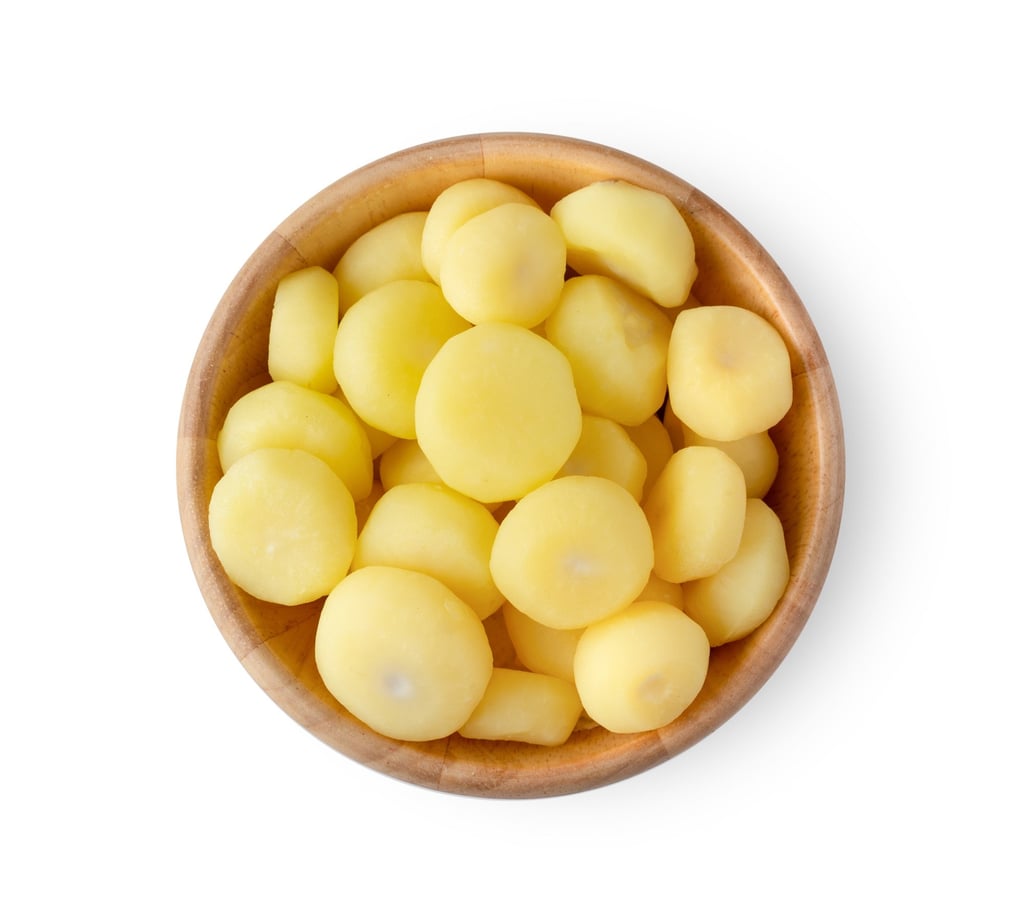
Its corm – or bulb – is edible and can be consumed raw, as long as you peel away its thick and woody exterior, much like you would a real chestnut. Its flavour is sweet and mild, while its true draw is its crisp, juicy texture that lends itself well to simple preparations.
In a 1956 article in the journal Economic Botany titled “Chinese Water Chestnut or Matai: A Paddy Crop of China”, author W.H. Hodge describes how the water chestnut’s versatility is lauded in Chinese cookery, whether served whole and raw like fruit, or minced and steamed or stir-fried in savoury preparations.
“It is common practice for a Chinese host or hostess to serve a dish of freshly peeled [water chestnuts] to guests. Peeled matai, skewered on bamboo splints, also is a familiar commodity offered for sale on the street or in trains, where it is eaten by young or old, rich or poor,” Hodge writes.