Why Korean rice wine could be the next big drink in Hong Kong and mainland China
There’s a ‘big gap’ in the market for the ancient tipple, one bar owner says, as more restaurants add Korean rice wines to their menus

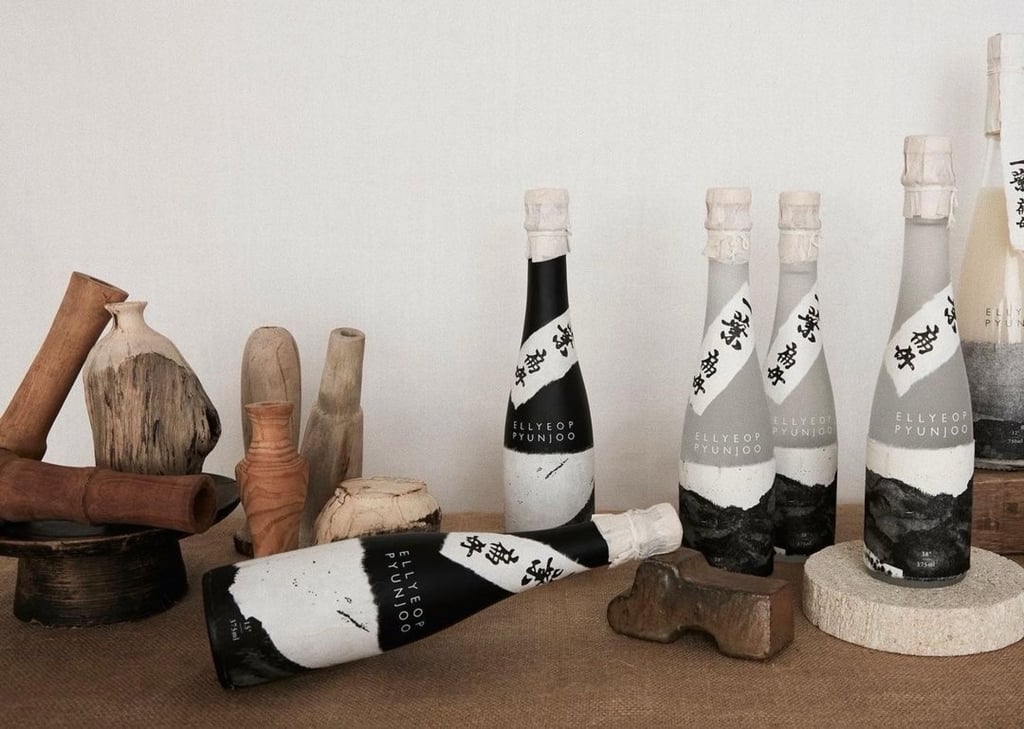
This was Otheroof’s first showcase of the category. The seven labels on pour – some sedimented, others bright and citric, and one even infused with mugwort shoots – challenged founder Jameel Cai’s impression of cheap, cloudy rice wines in plastic bottles.
Beyond the impressive turnout of 100 guests that evening, the event prompted inquiries about the rice wines from across China. Cai is also considering stocking Korean rice wines at her bar permanently.
“There’s a big gap in the Chinese market for good Korean rice wines,” she says. “We see interest from around the country, especially in the natural wine community, who are always looking for something new and different.”
The history behind the drink
Made by fermenting cooked rice, water and nuruk – a starter containing yeast and bacteria – Korean rice wines such as makgeolli have an alcoholic content of between 6 and 9 per cent while more premium filtered wines such as yakju and cheongju can be as high as 13 to 18 per cent.