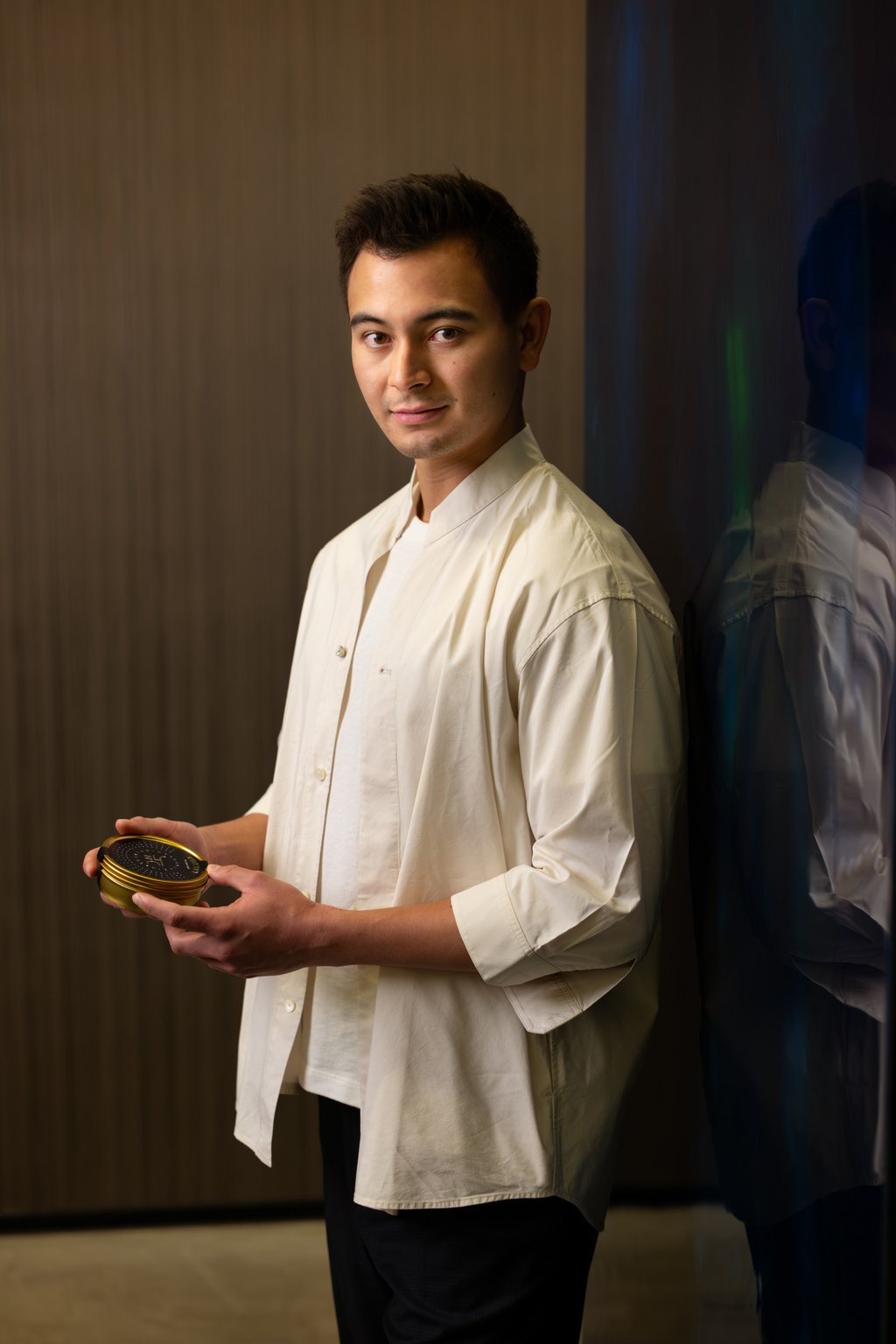
How Chinese caviar company N25 fought stereotypes to star at top global restaurants
Hermes Gehnen, the half-Chinese, half-German founder of N25 Caviar, talks about the company’s rise and its new, more approachable brands

When 20-year-old Hermes Gehnen set up his company N25 Caviar in 2017, he had a lot of convincing to do. He was sourcing sturgeon roe – unfertilised fish eggs that are salt-cured to make caviar – from China, which is not known for producing luxury ingredients that end up on the white tablecloths of fine-dining establishments in the West.
Almost 10 years on, N25 Caviar is served in top restaurants across more than 20 countries, including Baan Tepa in Bangkok, Blackswan in Beijing, Cloudstreet in Singapore, Saint Peter in Sydney, and Da Terra, Ikoyi and The Ledbury in London.
Gehnen’s journey with N25 Caviar has not always been plain sailing.
“But, of course, not everyone wanted to hear that or would accept that. This is a bigger problem that goes beyond caviar.”