Why your new phone’s battery life seems worse than the old one: it is
- Lithium-ion batteries in smartphones are hitting an inflection point where they simply cannot keep up with new features
- Things could get worse when 5G goes mainstream

If you recently bought a new flagship phone, chances are its battery life is actually worse than an older model.
For the last few weeks, I’ve been performing the same battery test over and over again on 13 phones. With a few notable exceptions, this year’s top models underperformed last year’s. The new iPhone XS died 21 minutes earlier than last year’s iPhone X. Google’s Pixel 3 lasted nearly an hour and a half less than its Pixel 2.
Phone makers tout all sorts of tricks to boost battery life, including more efficient processors, low-power modes and artificial intelligence to manage app drain. Yet my results, and tests by other reviewers I spoke with, reveal an open secret in the industry: the lithium-ion batteries in smartphones are hitting an inflection point where they simply can’t keep up.
“Batteries improve at a very slow pace, about 5 per cent per year,” says Nadim Maluf, the chief executive of a Silicon Valley firm called Qnovo that helps optimise batteries. “But phone power consumption is growing up faster than 5 per cent.”
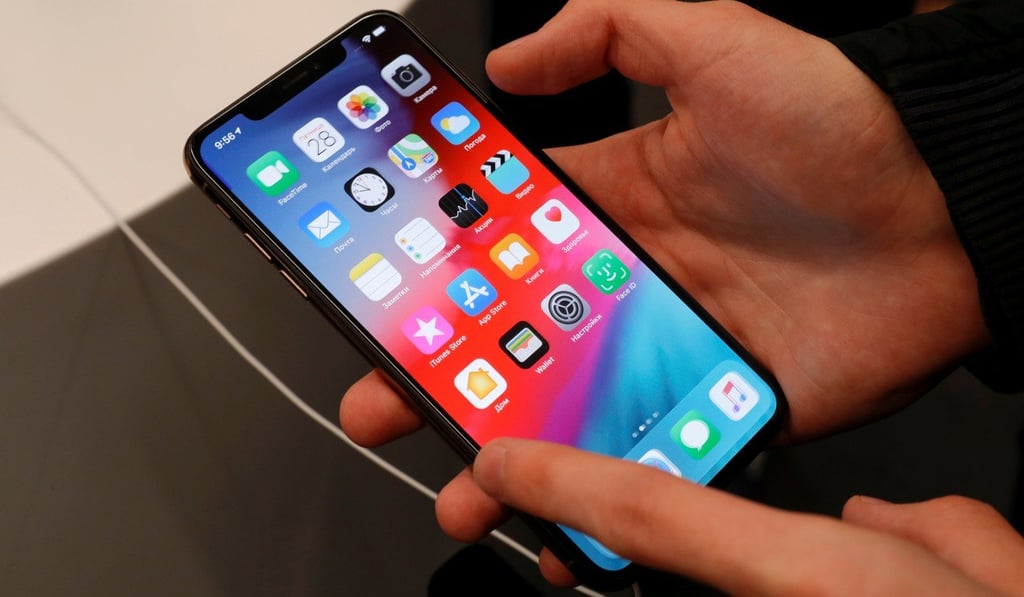
Blame it on the demands of high-resolution screens, more complicated apps and, most of all, our seeming inability to put the darn phone down.
Lithium-ion batteries, for all their rechargeable wonder, also have some physical limitations, including capacity that declines over time – and the risk of explosion if they’re damaged or improperly disposed.