Advertisement
How a Chinese company’s pressure sensors spell end of physical smartphone buttons
- Physical buttons could be replaced by highly sensitive pressure sensors made by Shenzhen tech company NDT
- The sensors can detect 1,000 levels of pressure and sit under the phone’s screen or body
4-MIN READ4-MIN

A consistent trend in personal computing is the removal of moving hardware parts.
The computer mouse used to rely on an internal rubber ball to track movement; now it’s all done via lasers. Video game consoles and desktop computers once were turned on by a physical moving power switch; now it’s usually a capacitive touch panel. And it’s been more than a decade since Steve Jobs ushered in the modern era of smartphones that replaced a physical keyboard with a touch screen one.
For smartphones – the industry that now leads the way in computing innovation – next to go will be physical buttons.
Advertisement
The change began around 2016, when many Android phones moved to digital on-screen navigation buttons and Apple replaced the iPhone’s clickable circular home button with a tactile one on the iPhone 7. But those were relatively simple solutions that left user interaction the same – press an area to trigger an action.
Advertisement
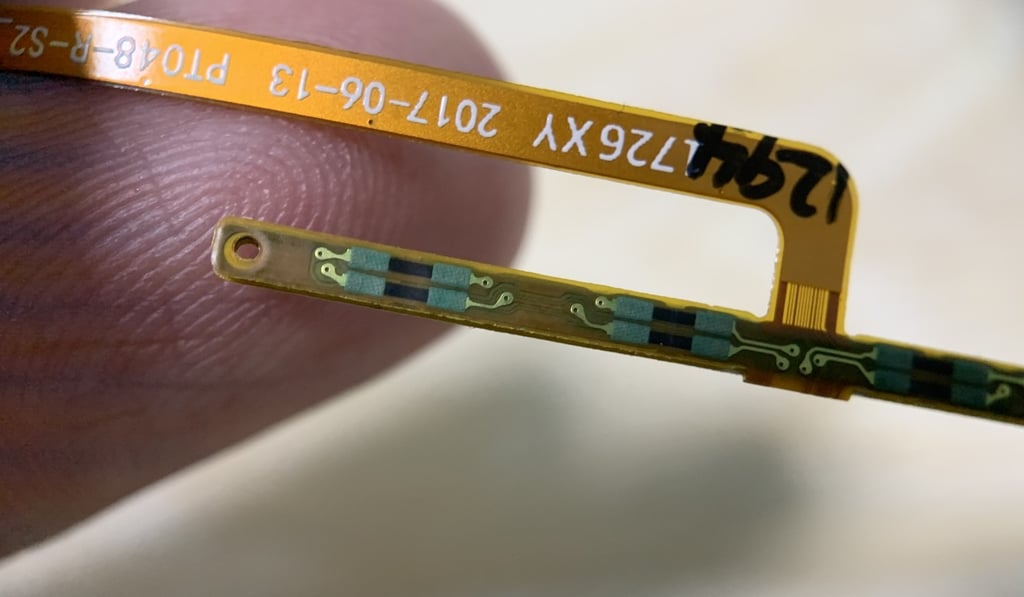
A more advanced solution is beginning to roll out in newer handsets: any part of a phone can be pressed, and instead of just offering on/off functionality, these parts are pressure sensitive, essentially serving as analogue force sensors.
Advertisement
Select Voice
Select Speed
1.00x