ReviewSamsung Galaxy S20 Ultra full review: 108-megapixel camera and a stunning screen to compete with Chinese brands
- Samsung has pushed the specs of its Galaxy S20 Ultra to the max as it looks to go head to head with Chinese brands’ premium phones; power users will love it
- Its ‘periscope’ zoom lens is best in class, but its main camera has focusing issues; handset’s less curvy feel, and raised camera housing, may put buyers off
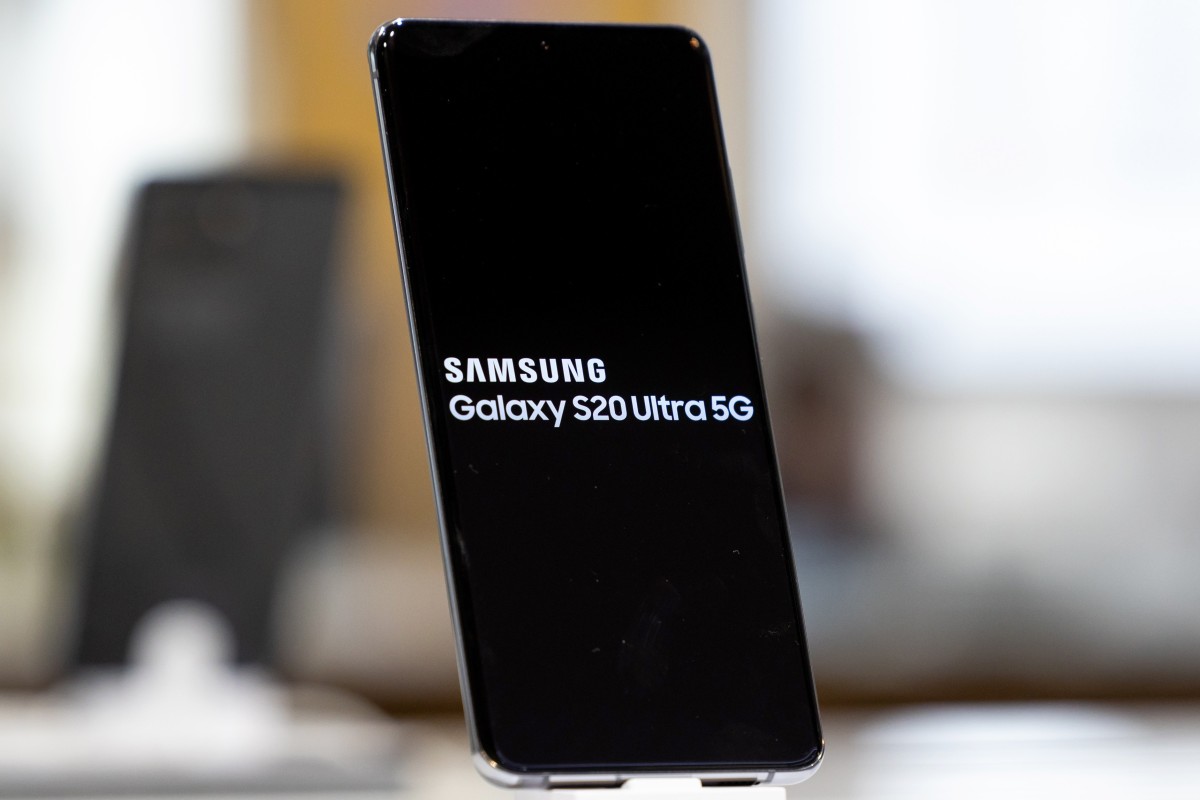
Samsung’s Galaxy S20 Ultra might just look like another update to the South Korean company’s long-running flagship handset series, but take a closer look and you will discover the latest release breaks with a number of Samsung conventions. It is a development that some would see as a gamble, especially given the stiff competition from Chinese smartphone makers.
Hardware and design
The screen edges on the S20 Ultra are noticeably less curved and the visual effect of the screen spilling off the sides is gone. There is still a rounding of edges for a smoother grip, but for the most part this 6.9-inch OLED display is a flat panel.
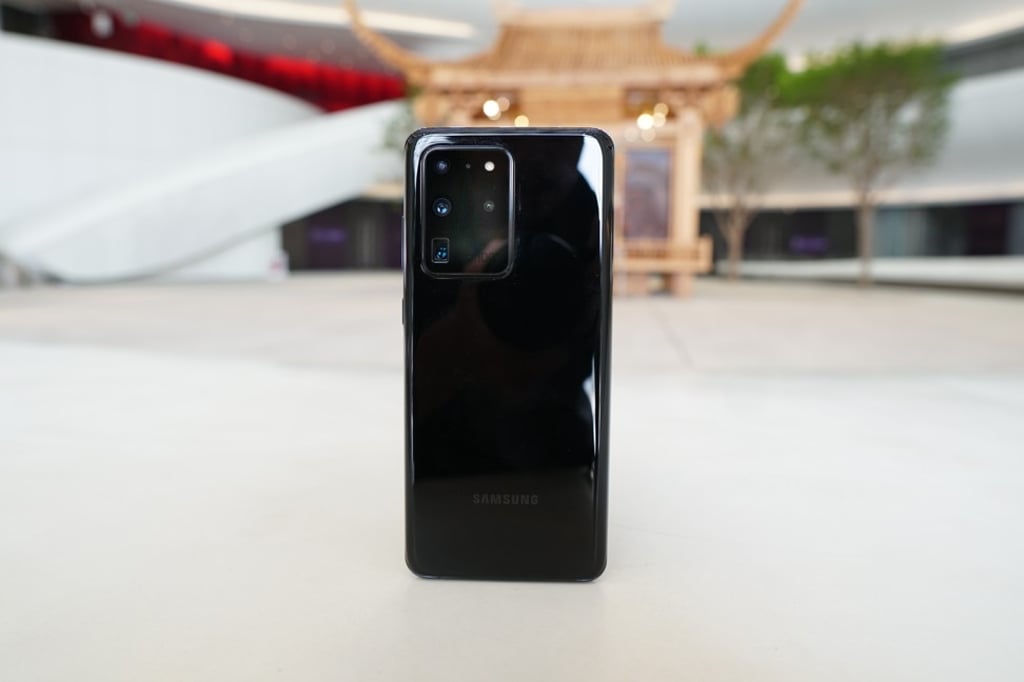
Over the past few years, most Chinese brands have been chasing ever-higher-megapixel cameras. While a higher megapixel count on a traditional camera is a good thing, it is risky on a thin mobile device because the more pixels there are in an image, the more light is needed to fill them, and smartphone bodies have limited space to house light-absorbing image sensors.