TikTok, not Google, is increasingly turned to by Gen Z for information – but can we trust social media to tell us the truth?
- From health advice to dating tips, young people are increasingly choosing TikTok for information, preferring it to Google for its ‘authenticity’ and directness
- But watchdogs have found social media to be awash with misinformation, some of which can be dangerous. So is TikTok for learning, or just for entertainment?

When Ashley Storino wants a new pair of black boots or book recommendations, she knows what gets results – and it isn’t Google.
Rather than scour pages of search results, she opens TikTok, quickly scans video after video and checks the comments to make sure she can trust the content. Only when she knows precisely what she’s looking for does she turn to Google.
“Let’s say I want to find the best mascara. Before, I used to look it up on Google, and those results would feature articles and blogs with ‘top 10’ lists. As someone who has worked in marketing and public relations, I know these lists are often, if not always, influenced by outside parties or brands trying to get products in an article,” Storino says.
“Now I turn to TikTok to get honest reviews from real people. I can look up a brand of mascara or ‘best mascara’ and there are all of these people who have done reviews and can speak about the product. It’s much more relatable, and you know who’s telling you the information. And then you can go into the comments section and see if the same information is reinforced.”
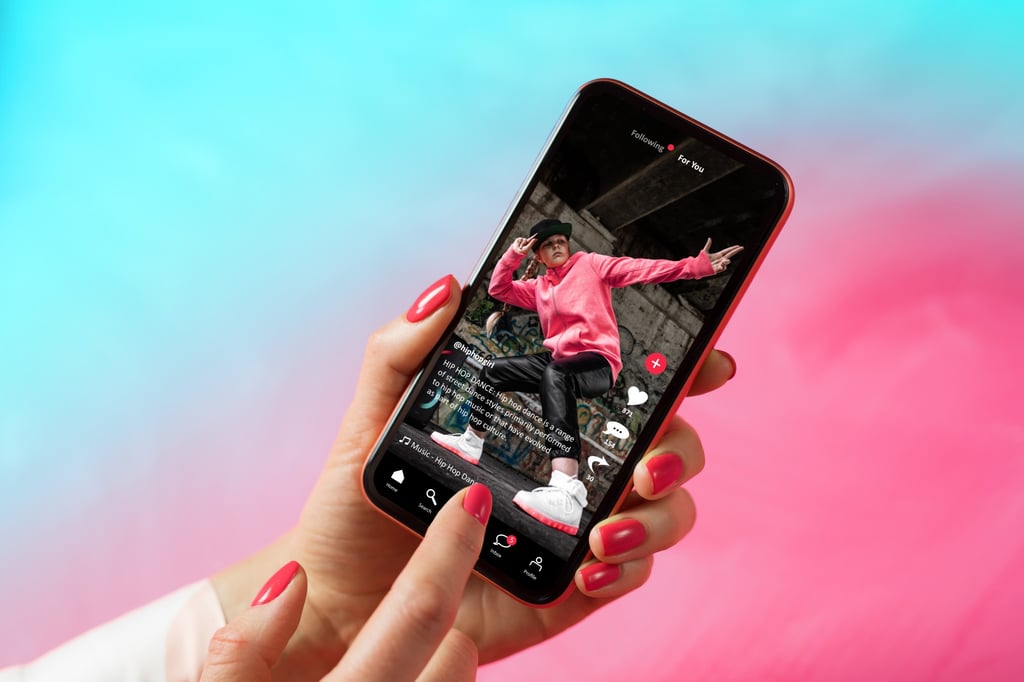
A growing number of young people are using the short-form video app better known for dance moves and viral high jinks the way others use Google – to find a new lunch spot or a film to watch, or to plan a weekend getaway or update their wardrobe.