Can gene editing cure viruses and cancer? A Hong Kong expert separates fact from fiction
Research into altering genetic codes to defeat viruses and cancers has shown promising results, but the subject is fraught with social and ethical concerns. We talk to an expert on genetics about the possible uses of the technology

Gene editing has been around for years but it has recently attracted interest – and alarm, thanks to CRISPR-Cas9, an easy-to-use tool for altering and rewriting genetic information, that is more precise than previous techniques. This technology has been used to research potential weapons against cancer, human papillomavirus, HIV, and other diseases previously thought incurable. Some research has yielded promising results, and some has led to controversy, underscoring the social, ethical and regulatory minefield surrounding gene editing.
“The scope of these ethical issues is vast and difficult to summarise, but the bottom line is that there needs to be a great deal of discussion among scientists, health care providers, lawmakers, government, and advocacy groups. They must determine what is and is not an acceptable social or ethical risk, and how best to regulate the technology,” says Angela Wu, assistant professor at Hong Kong University of Science and Technology’s division of life science.
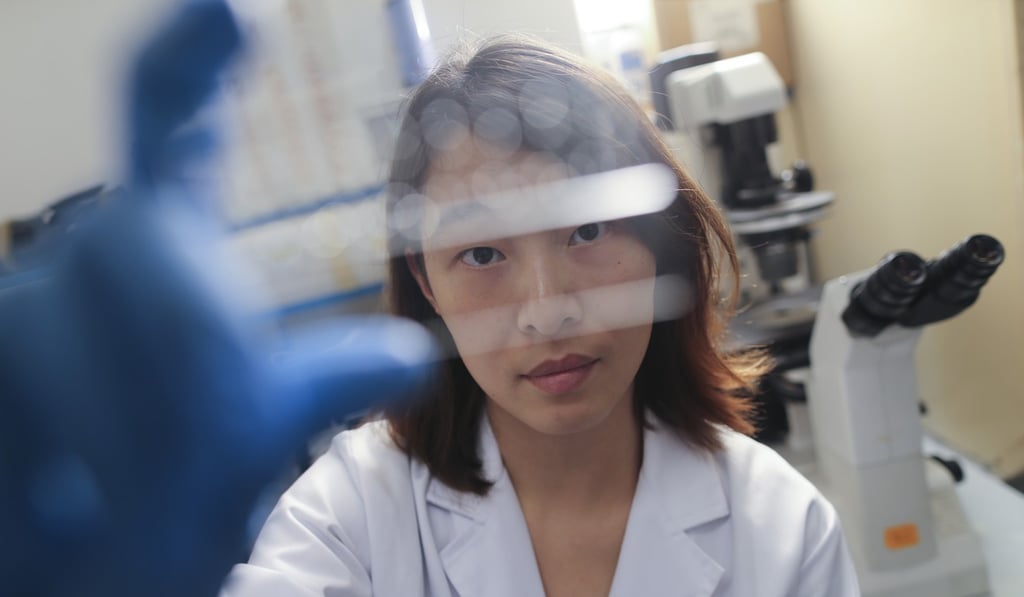
It’s too early or “unrealistic” to make this assessment, says Wu. “In order to edit or select a specific feature, we need to know where that feature sits in the genome,” she says. Research into the genes causing various diseases exists, and can be used to target specific genetic information for alteration. The same can’t be said for intelligence and physical features. “There is a lot that we don’t know about these traits, which are the result of complex interactions between different parts of the genome,” she says.