I had colon cancer at 24. I was sent home to die. But I survived. Here’s eight things I learned on the journey
After two operations and two rounds of chemotherapy, doctors told Stefanie Joho there was nothing more they could do. But she took matters into her own hands to beat the odds and survive colon cancer

At the age of 24, after two surgeries and two aggressive rounds of chemotherapy failed to cure me, my oncologist sent me home to die. When I was first diagnosed with colon cancer in 2013, I’d never even heard the word immunotherapy. I didn’t know that my doctors wouldn’t have all the answers.
One woman’s Hong Kong ovarian cancer journey and her positive message for fellow sufferers, their friends and family
I thought clinical trials were last-ditch efforts, rather than treatments that save countless lives. I didn’t know that a treatment geared to fighting my specific type of cancer, and the genetic components of my tumour, would go on to potentially offer tens of thousands of patients a revolutionary new path to surviving cancer in 2017.
Because I’m one of the lucky ones who looked into the abyss and made it out the other side, it is my duty to share critical things I have learned in what is now a new era in cancer care. A disease that should have killed me, instead, launched my career in patient advocacy.
Keeping cancer on the run: Hongkonger fights disease on city’s trails
Every cancer is unique. So think of the following points as road signs – ones I wish someone had shown me when I felt lost, with nowhere to turn.
1. The more we know, the more we can fight for our lives
We look to doctors to be the experts – partly because, in a moment of such despair, we want to be able to look to someone to just give us the answers. You will not find that person in anyone but yourself.
You will often be made to feel that being a “good patient” means not asking questions. Do not be afraid to speak up. Your life depends on it
In the beginning of my cancer journey, I felt intimidated by my doctors and made several decisions that I now regret. I walked into appointments and agreed to everything, without even considering a second opinion. As my cancer kept coming back and the treatments kept failing, I decided that the only chance I had to make it out alive would be to educate myself. I scoured the internet. I became an “expert” not only in my specific disease, but also in the current cancer landscape.
I’m not encouraging you to become your own doctor and understand all the science. And, I’m not encouraging you to take everything you read on the internet as fact. But in 2017, with the amount of accessibility to information, I’m encouraging you to seek it out. Never take anything at face value or trust blindly. Make informed decisions, not decisions based on fear. Walk into appointments with your doctors as an equal, not as a passive bystander.
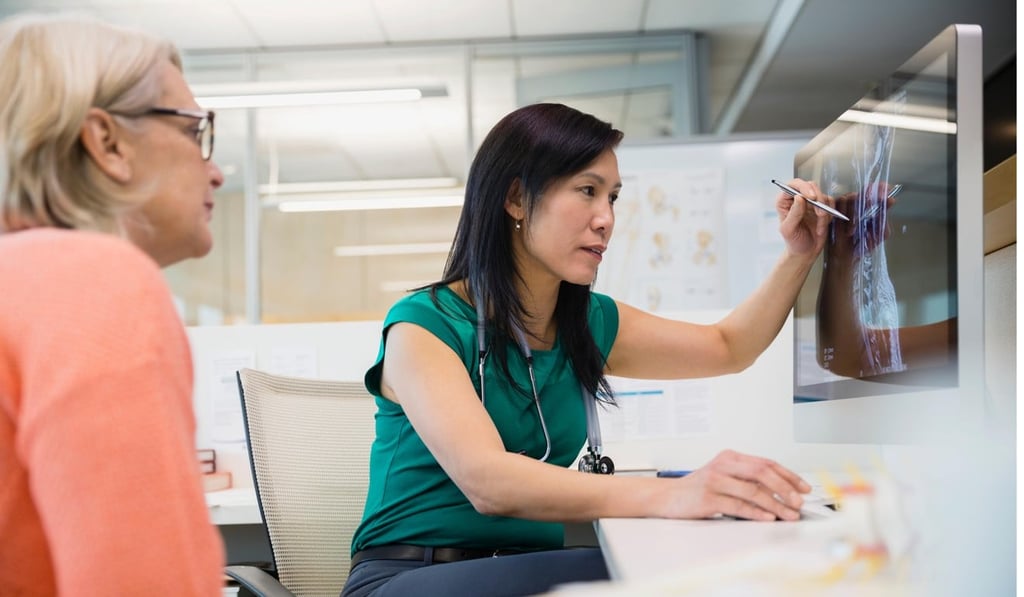
2. Asking questions is not making trouble
You will often be made to feel that being a “good patient” means not asking questions. Do not be afraid to speak up. Your life depends on it. Come into every appointment with a prepared list. If possible, bring someone who can take notes. If you are confused about something, ask. If you think of it later, write it down. Remember: You are fighting for your life. Make every thought, concern and feeling heard. Repeat as often as necessary.