Why traditional Chinese and Indian ayurvedic medicine can’t compete with Western drugs
Traditional systems are more focused on prevention and balance, while the West seeks to cure diseases and relieve symptoms with profitable medicines. A medical sociologist and author talks about the future for TCM and ayurvedic

For most of today’s 7.5 billion people, traditional medicine remains an integral part of their lives. That is despite the continuing expansion of an already formidable modern health care system built on the principles of Western science and market forces.
In Asia, home to 60 per cent of the world’s population, there is a deep-rooted belief that traditional medicines hold secret cures and knowledge that Western sciences have yet to – and may never – understand and explain.
Some of that belief is undoubtedly based on ignorance, superstition or misplaced cultural loyalty, says medical sociologist Mohamed Nazrul Islam. But to dismiss it entirely as blind faith would mean the end of all inquiry into ancient knowledge, and negate the value of research published over thousands of years.
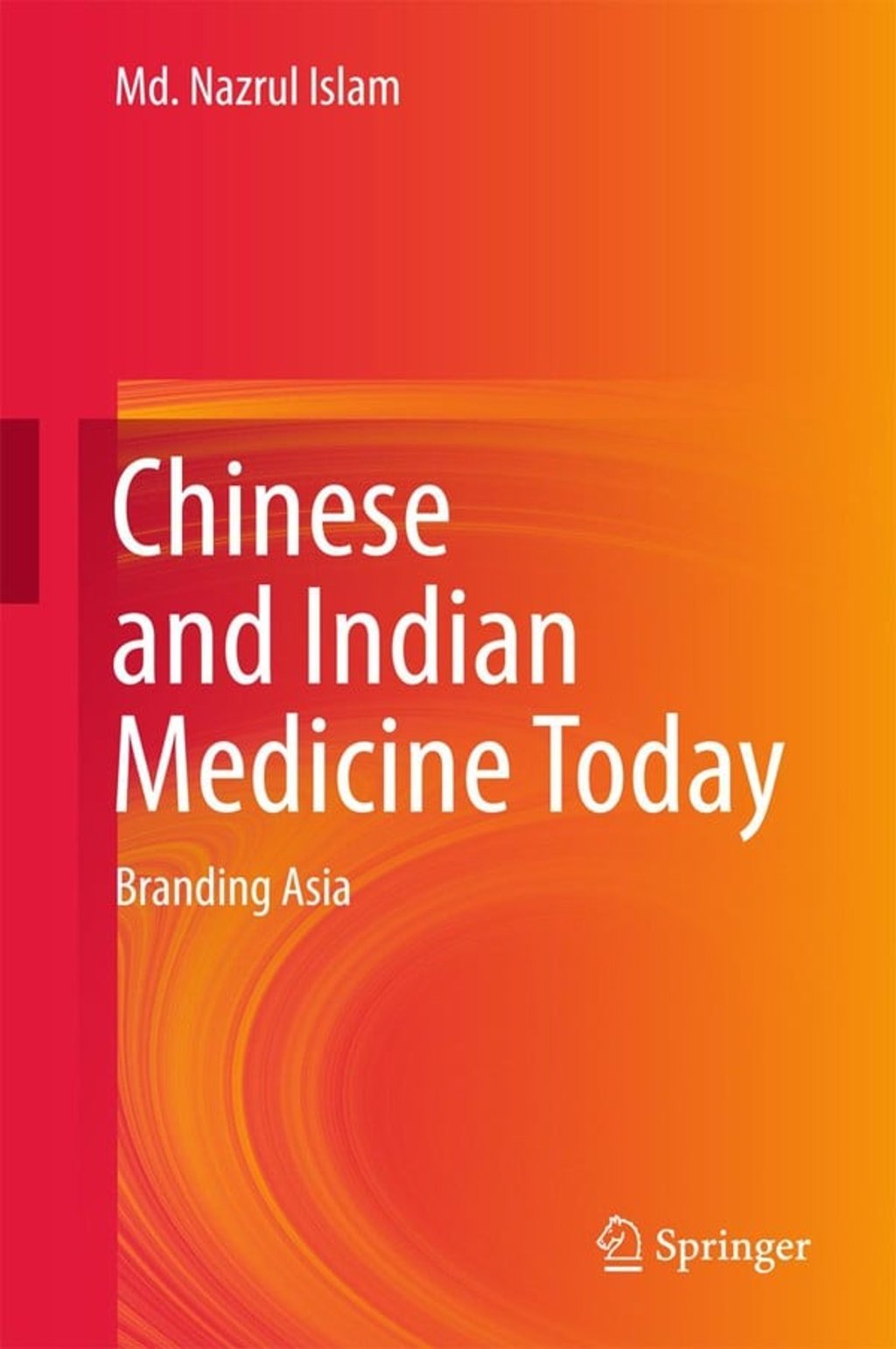
Traditional medicines struggle in a modern world dominated by Western science, technology and philosophy. Nazrul says they have fallen short where it matters most: providing proof of efficacy, delivering health care on a mass scale, and competing for resources to find cures for sickness and diseases. Western medicine dominates in the mainstream health service delivery and accounts for a large share of the national health budgets, in India and China.