Japanese software helps workers with mental illness stay in jobs
The SPIS program enables managers to monitor changes in their staff’s emotional and physical condition on a daily basis

For managers employing workers with mental disorders, it is vital to detect early signs of changes in their emotional and physical well-being and take action before symptoms become acute.
A software program developed by a small website design company in Japan is intended to enable workers to assess their own condition, while allowing employers to anticipate changes and adopt flexible arrangements beforehand.
Hong Kong workers want more mental health support at work, study finds
The software, called SPIS, was created by Osaka-based Okushin System to support the company’s policy of promoting employment of people with mental illnesses. The system has drawn interest from psychiatrists as a possible tool to prevent work-related mental illnesses from worsening.
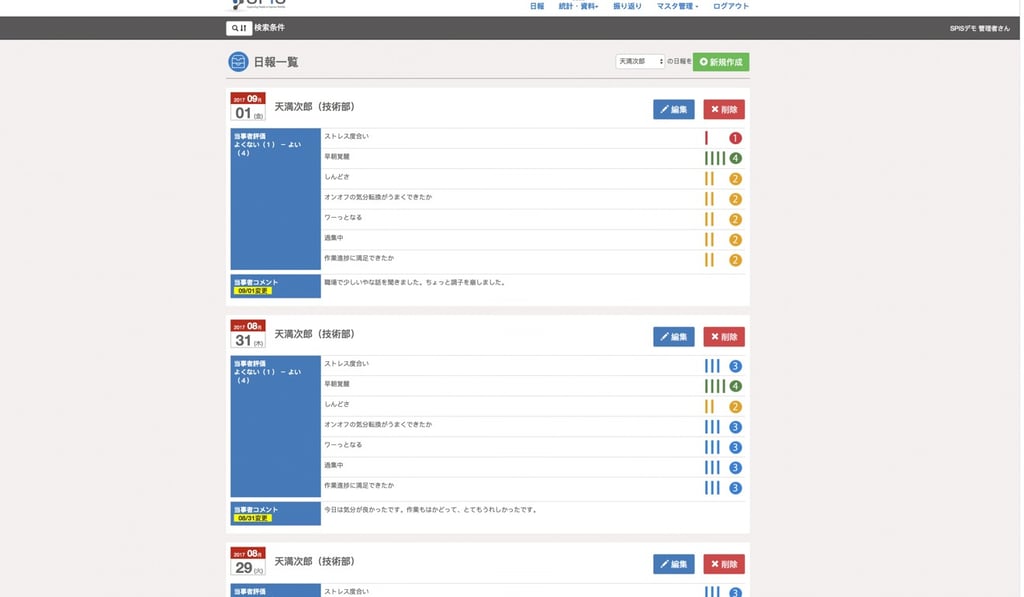
The company’s president, Manabu Okuwaki, has actively recruited people with mental disorders, and found that the conditions of such people tend to change suddenly and drastically. The finding led Okuwaki to start monitoring the workers systematically, using an online work report into which employees are advised to enter their condition on a daily basis.
Although it is too early to talk about its effects, SPIS could work to prevent employees from developing a major mental illness.
Specifically, they are asked to answer a series of questions, including whether they have done all they could to avoid mistakes and if they had slept well, in a four-point scale from “bad” to “good.” The software displays these self-evaluation points graphically to allow changes in their emotional state and health condition to be seen at a glance.