Intermittent fasting is a proven way of losing weight quickly – but it may not work for everyone
Alternate-day, time-restricted or modified fasting are all ways of avoiding or drastically restricting food intake, and may help people trapped in a yo-yo diet cycle, but they’re not for everyone – see three alternative ways to lose weight

Many religions have for centuries adopted the spiritual practice of intermittent fasting, promoted as a path to enlightenment. During Ramadan, the ninth month of the Islamic lunar calendar, observant Muslims eat only before dawn and after sunset for 30 days.
Is the 80/20 rule true when it comes to weight loss? Hong Kong naturopath says yes
In recent times, fasting has experienced a comeback as a means to lose weight. Advocates tout intermittent fasting as a way to better health: it may help shed pounds, build muscle, lower your risk of diabetes and cardiovascular disease and even extend your life.
Intermittent fasting typically involves intentionally avoiding or drastically restricting calories on one or two days a week while eating normally on other days. For many people, a diet that includes a small amount of food, even on fasting days, may be easier to follow than a true fast.
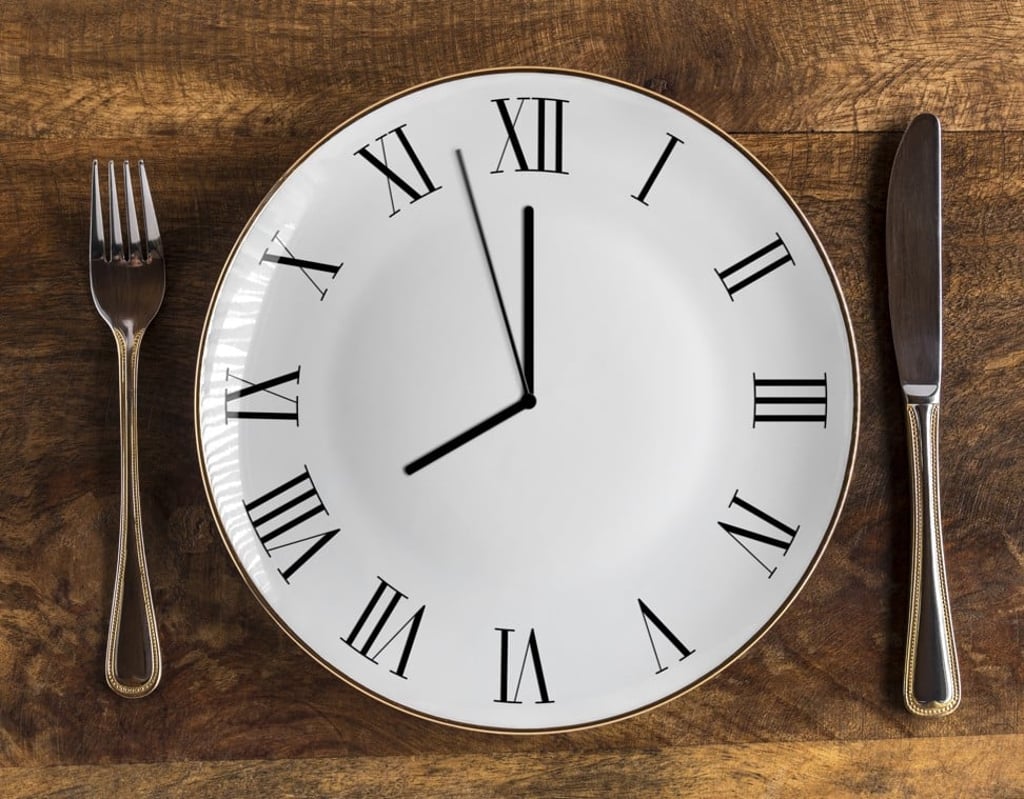
Different fasting regimens include:
* Alternate-day fasting, such as the Eat Stop Eat programme, requires alternating days of consuming foods or drinks that have no calories with days spent eating and drinking normally.
* Modified fasting regimens, such as the 5:2 or 4:3, involve eating only 20 to 25 per cent of one’s usual needs for two or three non-consecutive days a week – and eating the usual daily requirements on the other five or four days.