Protein is good for you, but people should be ‘cautious’ of eating too much, experts warn
While protein contributes to a balanced diet, evidence suggests certain segments of the population, such as infants and young children, shouldn’t consume too much, and processed supplements may cause kidney damage

If there’s one claim that’s almost certain to boost sales of a food these days, it’s to say the item is high in protein.
Consumers cannot seem to get enough protein – they often turn to it because they’ve shunned carbohydrates, and also associate it with increased muscle mass. While many nutritionists say eating extra is usually harmless (if it’s part of a balanced diet and doesn’t all come from animal sources), others are not convinced, citing the lack of long-term research on high-protein diets. They’re especially uncertain about how the body reacts to or uses processed protein isolates and powders, which have skyrocketed in popularity.
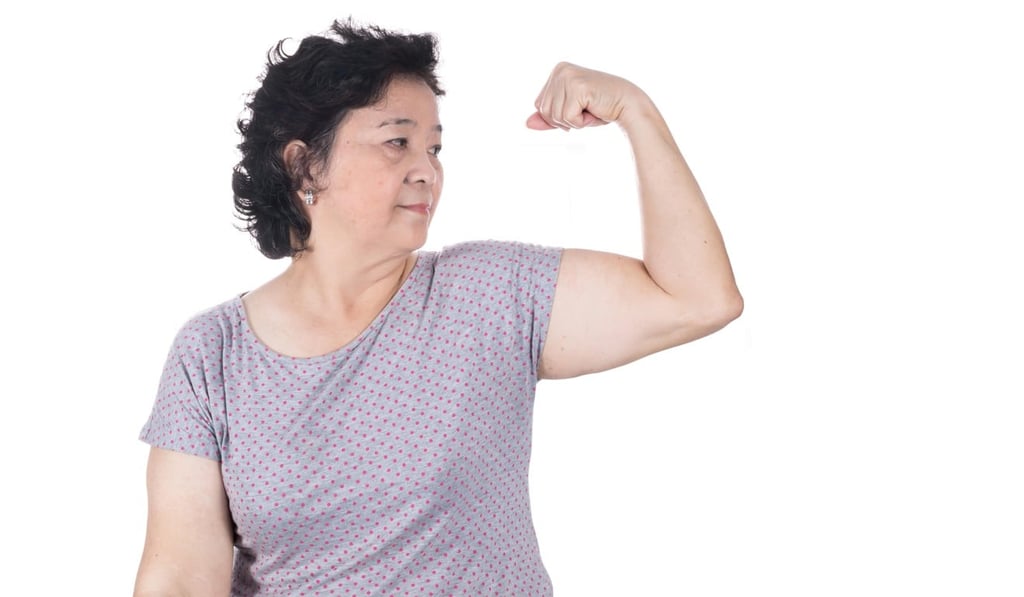
A growing body of evidence suggests that some segments of the population should be cautious about hopping on the high-protein bandwagon, infants and young children in particular. Some studies have linked high protein intake in early childhood to a risk of obesity later in life. Researchers are still trying to understand what accounts for that link.
Pregnant women, meanwhile, are commonly advised to boost their protein intake. But in a recent study of a group of women who consumed relatively high amounts of protein, children born to the mothers who consumed the most during pregnancy were shorter at birth and through mid-childhood compared with children of mothers who consumed the least protein.
The dilemma facing Hong Kong’s expectant mums: follow traditional Chinese beliefs or ways of the West?
Karen Switkowski, lead author of the study, says that “while it’s important for women to eat enough protein to support the growth of their baby, they might want to be cautious about going far beyond the recommended amounts”. She says there’s not enough data yet to set specific pregnancy-related recommendations, adding: “I think that more research needs to be conducted in this area in different populations before translating the findings into any guidelines.”