Philippines’ poorest hit hardest by birth control failings, ‘toothless’ family planning law and interference from church
The Catholic Church and conservative politicians have helped to ensure abortion and divorce remain illegal, and the Philippines’ mostly Catholic population is booming, despite birth control legislation

At age 33 and raising six children in a slum named “Paradise Village”, Myrna Albos is Exhibit A for the Philippines’ serial family planning failures.
The plumber’s wife already had four children by the time a family planning law was passed in December 2012, but she had two more after opponents blocked it and the nearby government health centre ran out of birth control pills.
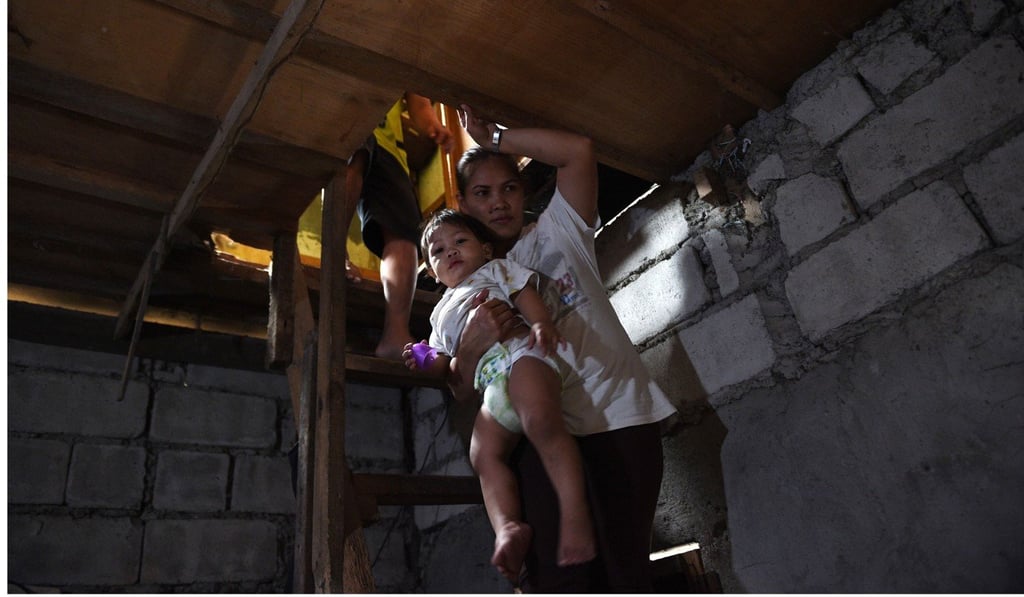
“I don’t want any more [children]. Sending all of them to school is an effort. One more and I may no longer have time for myself,” the former department store clerk says.
Albos and her family live on her husband’s US$10-a-day wage in a dirt-floor home in Paradise Village, tucked behind a smelly open sewer in the north of Manila, the nation’s capital where millions live in brutal poverty.
The law was meant to provide free condoms, birth control pills, contraceptive implants and other family planning methods to couples in poor communities, while protecting mothers from death and other health risks associated with pregnancy and childbirth.