Power naps: now there’s scientific proof of their health benefits, what are sleep-deprived Hongkongers waiting for?
In China you can book one on a nap app, at Google sick leave dropped when sleep capsules were provided, and science has shown the health benefits of a nap. So don’t leave it too late – grab a blanket and feel the benefits yourself

Hongkongers are coming up short on the prescribed eight hours’ sleep a night, clocking up only six and a half if they’re lucky. Across Asia, sleep deprivation costs billions of dollars annually in compromised productivity and health issues – but experts say a power nap could help compensate.
Many global achievers understood the benefits. Winston Churchill advocated sleep in the afternoon, insisting it allowed him to borrow late night hours and plough on in peace and quiet when others were in bed. The late American presidents John F. Kennedy, Lyndon B. Johnson and Ronald Reagan valued a siesta; Thomas Edison, the inventor of the light bulb, liked a couple of three-hour naps a day – not surprising since he was, literally, up burning the midnight oil.
Can you get too much sleep? And is it bad for you?
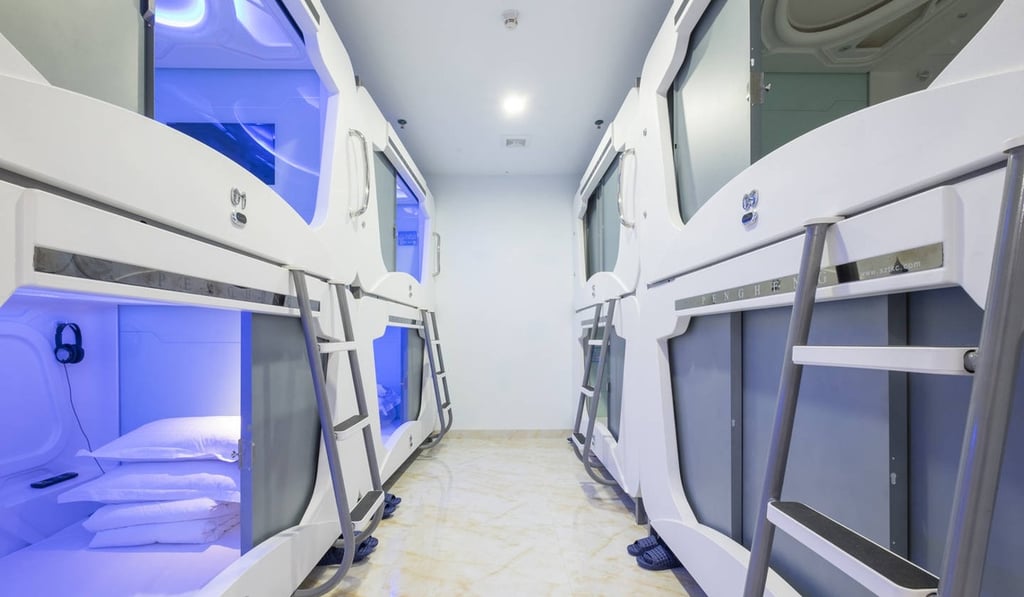
The appeal of a quick forty winks has commercial value: nap capsules are becoming popular, especially in China where you can prepay on a nap app and crawl into a pod complete with pillow, blanket and USB port so you can charge your phone while you slumber. Xingyu Space Capsule Hotel in Shenzhen sells time in sleep pods on Airbnb.
Watkins says there is value in playing sleep catch-up, citing another study in mice that investigated what happens in the body when sleep was cut by a third for 10 days. It showed increased DNA damage by 247 per cent in the liver, 145 per cent in the gut and by 166 per cent in the lungs. But the damage could be undone by just two days of catch-up sleep, it found.
Long working hours and digital devices blamed as more than 2 million Hongkongers suffer from insomnia
There’s no particular prescribed length of nap, though some experts deem 10 to 30 minutes as optimum – it fits into your day and doesn’t leave you feeling groggy. The timing of a nap is important, says Watkins. “Look at taking your nap when you feel you’re at your lowest level of alertness during the day. It is important to note that napping too close to the end of the day could exacerbate insomnia, so some diligence is required to get it right in the beginning.”