How US scientists diagnosed sane people as schizophrenic, tricked by a secret experiment
An experiment in 1973 sent eight healthy people into hospitals, falsely complaining of hearing voices. The results shook the world of psychiatry and the effects are still being felt in the field today

It was a secret experiment. There was a graduate student, a housewife, a painter, a paediatrician, a psychiatrist and three psychologists. Using fake names, they visited 12 hospitals across the United States and claimed to hear voices. Their mission was to see what would happen. What they found rocked psychiatry.
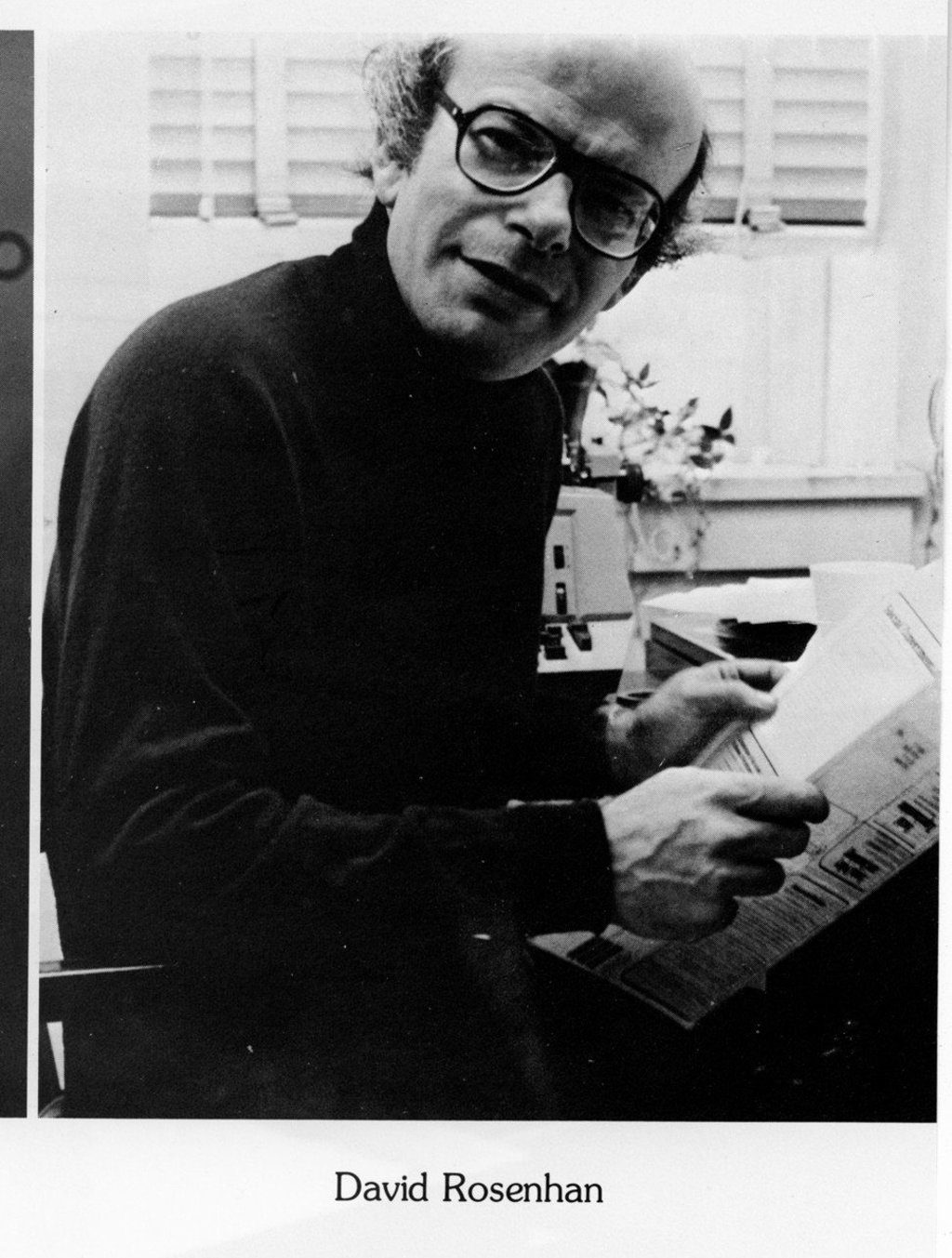
David Rosenhan, a psychologist at Stanford University, published the results of the experiment in a 1973 issue of the journal Science. “On Being Sane in Insane Places” would become one of the most influential studies in the history of psychiatry.
All of them were admitted to psychiatric units, at which point they stopped reporting any psychiatric symptoms. Still, nearly every person in the experiment was diagnosed with schizophrenia. Their hospital stays ranged from seven to 52 days. Doctors prescribed them more than 2,000 pills, including antipsychotics and antidepressants, which the pseudo patients largely discarded.
Hong Kong researchers discover crucial piece to mental illness puzzle
In the hospitals, staff often misinterpreted the pseudo patients’ behaviours to fit within the context of psychiatric treatment. For example, the pseudo patients took copious notes while studying the environment of the psychiatric ward. One nurse reportedly wrote in the chart, “Patient engages in writing behaviour”.
Although none of the pseudo patients were unmasked by hospital staff, other patients on the psychiatric units became suspicious of them. Some 35 patients expressed doubts that the pseudo patients were actually mentally ill, according to the study.