Wearable brain scanner could revolutionise neural care for children and elderly
Like a Hannibal Lecter mask with wires, the scanner developed by British scientists replaces existing 500kg device that requires patients to sit absolutely still for a successful brain scan to be performed

British scientists have unveiled a next-generation wearable brain scanner that can be worn like a helmet and allows patients to move freely while being scanned. The device could revolutionise neural care for children and the elderly.
Researchers hailed the “transformative” imaging set-up, which for the first time gives them access to brain activity while patients make natural movements, including nodding, stretching and even playing ping pong.
Brain health: how biohacking with supplements improves it, and why taking ‘smart drugs’ could be dumb
“It gives us a new kind of brain scanner that allows us to study things we’ve never been able to study before and people who have never been able to be scanned in a neuro-imaging environment – patients from groups like children, for example,” said Professor Gareth Barnes from University College London, who worked on the project.
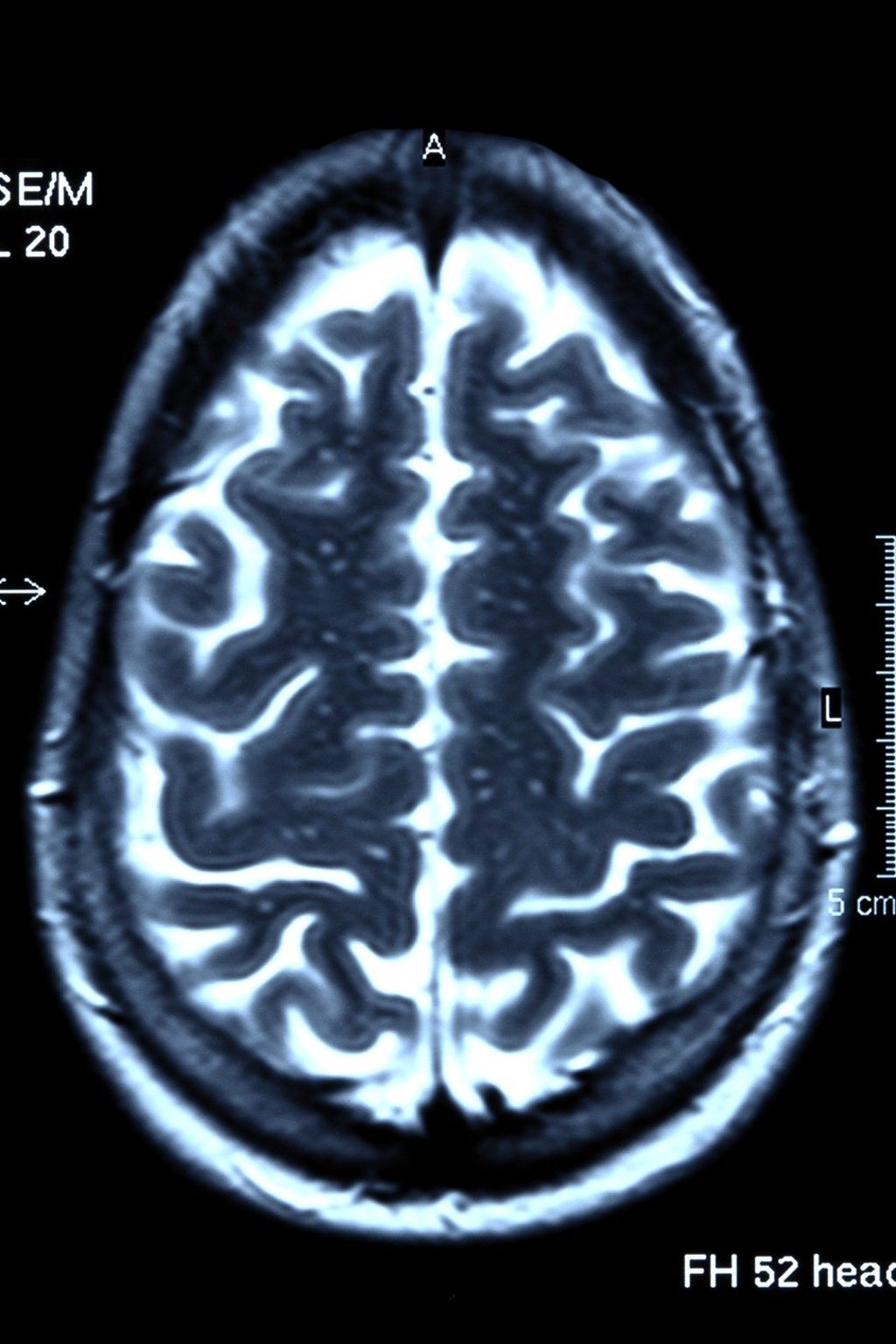
Current magnetoencephalography (MEG) scanners use sensors to measure the brain’s magnetic field that need to be kept extremely cold – at minus 269 Celsius (minus 452 Fahrenheit), or close to absolute zero – requiring bulky cooling technology.
They typically weigh around 500kg (1,100 pounds) and patients must remain perfectly still to not disrupt the brain images produced. They also run into difficulties when patients are unable to stay very still – very young children or patients with movement disorders, for example – since even a 5-millimetre movement can mean the images are unusable.