Why you can’t eat your way to happiness – one woman’s story of swapping antidepressants for oat cakes and feeling more depressed
It takes a lot more than camomile tea and gluten-free breakfasts to fend off mental illness; as writer’s mother found, you’ve got to have a desire to be happy before you can embrace a diet that brings wellness

We are, apparently, what we eat. Not just the amounts and volumes we consume – in a physically obvious eat-too-much-you’ll-get-too-fat kind of way. No, according to latest research, what we eat impacts us invisibly, intangibly: how we think, how we feel.
Food and mood, say the scientists, go hand in hand. You can eat your way to happiness – not the instant gratification in a bar of good chocolate or a slice of great cake (the sort of instant gratification that, of course, leaves you filled with sugar and guilt) – rather a lasting contentment and peace of mind.
Some scientists believe that the DASH diet – Dietary Approaches to Stop Hypertension, a diet rich in whole grains, fruits, and vegetables – may lend protection against depression. Others suggest strong evidence that gut bacteria are the influencers of mood disorders and neurodegenerative disease.
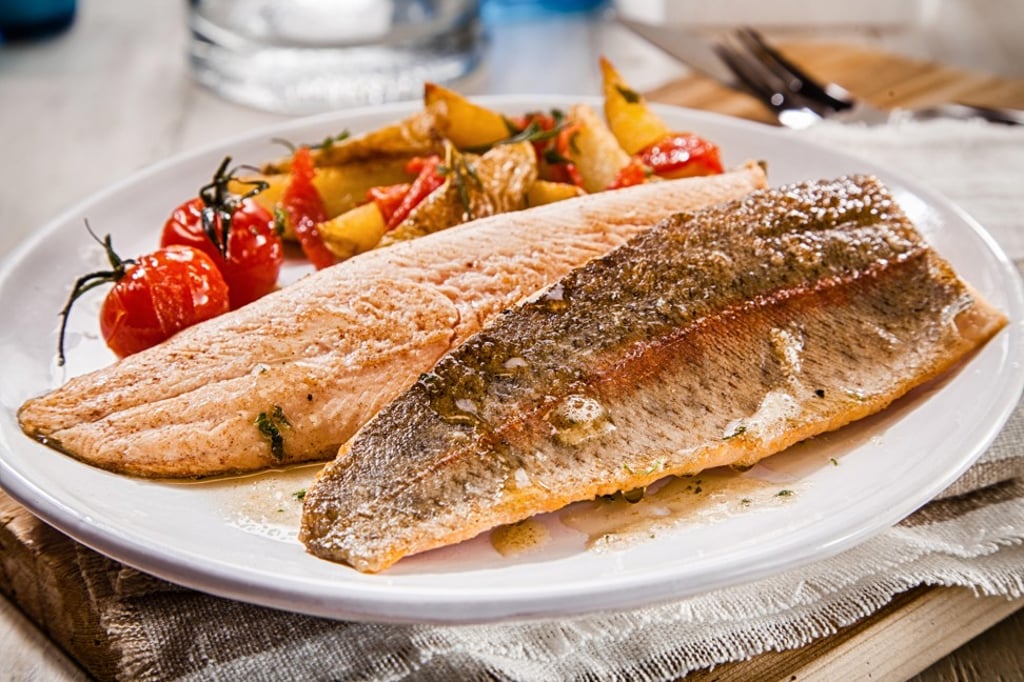
I have followed research published on depression for decades – my mother suffered severely. And so over the years, we embraced – for example – diets rich in fish oils.
Research said fish oil could help ease symptoms of depression as it is a good source of omega-3 fatty acids, which are important for brain function. Examples of fish high in omega-3s include sardines, salmon, herring and trout.