How insomnia affects your body, mind and health, and 10 ways to get a good night’s sleep
Sleep plays key roles in maintaining our mental and physical health. Two Hong Kong sleep experts share their dos and don’ts when it comes to bedtime

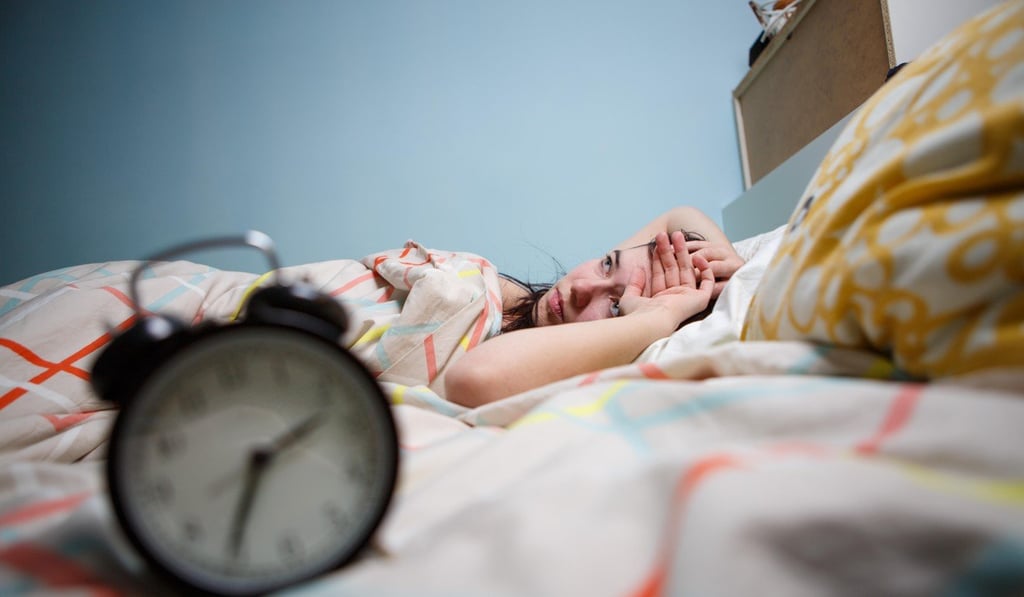
As a lifetime insomniac, I don’t just fear a sleepless night because it affects me the following day and reduces me to woolly-headed, gritty-eyed inefficiency; I fear it because I know that it can be a precursor to something more sinister.
Whenever my mother succumbed to an episode of depression, it was her sleep that went first. And it was sleep that continued to elude her. One bad night morphed into two. And then three. And then weeks of tossing and turning and tearful, reluctant rising.
I’ve been a sleepwalker since I was a teen. My sleep paralysis is more scary, though
Lack of sleep is known to compromise physiological health – dozens of studies demonstrate the link between sleep deprivation and lowered immunity. The Mayo Clinic says that studies “show people who don’t get quality sleep or enough sleep are more likely to get sick after being exposed to a virus, and a lack of sleep can affect how fast you recover if you do get sick”.
“When we sleep, our body’s internal systems are being recalibrated and rejuvenated. One of the most important functions of sleep is what is does to our brains. During the day, our brain cells work hard, processing information, coordinating our every move. As a by-product of this activity, we create a build-up of toxic proteins in the brain, which make us feel tired and function less efficiently.
During sleep, our brain is bathed in a fluid which washes away these proteins. If we don’t give ourselves enough sleep, we don’t completely ‘clean up’ our brain,” she says.