Why mosquitoes bite some of us but not others, how to repel them and how they evolved to be bloodsucking experts
At best they are annoying, at worst they spread crippling and deadly diseases. An expert shares his knowledge of the mini killers, how they identify their targets, how and why they feed and how to keep the bloodsuckers at bay

Just as the summer temperature and humidity start to rise, so too does the number of pesky, bloodthirsty mosquitoes. They can awaken you with their annoying buzz, leave itching bites on exposed skin, and even transmit deadly diseases such as malaria, dengue and yellow fever. In fact they are responsible for more human deaths than any other animal.
Mosquito menace: why Hong Kong needs to step up the fight against dengue fever
Some people are more attractive to mosquitoes than others. An expert in inspects explains why, and how these creatures have evolved to evade detection and extermination.
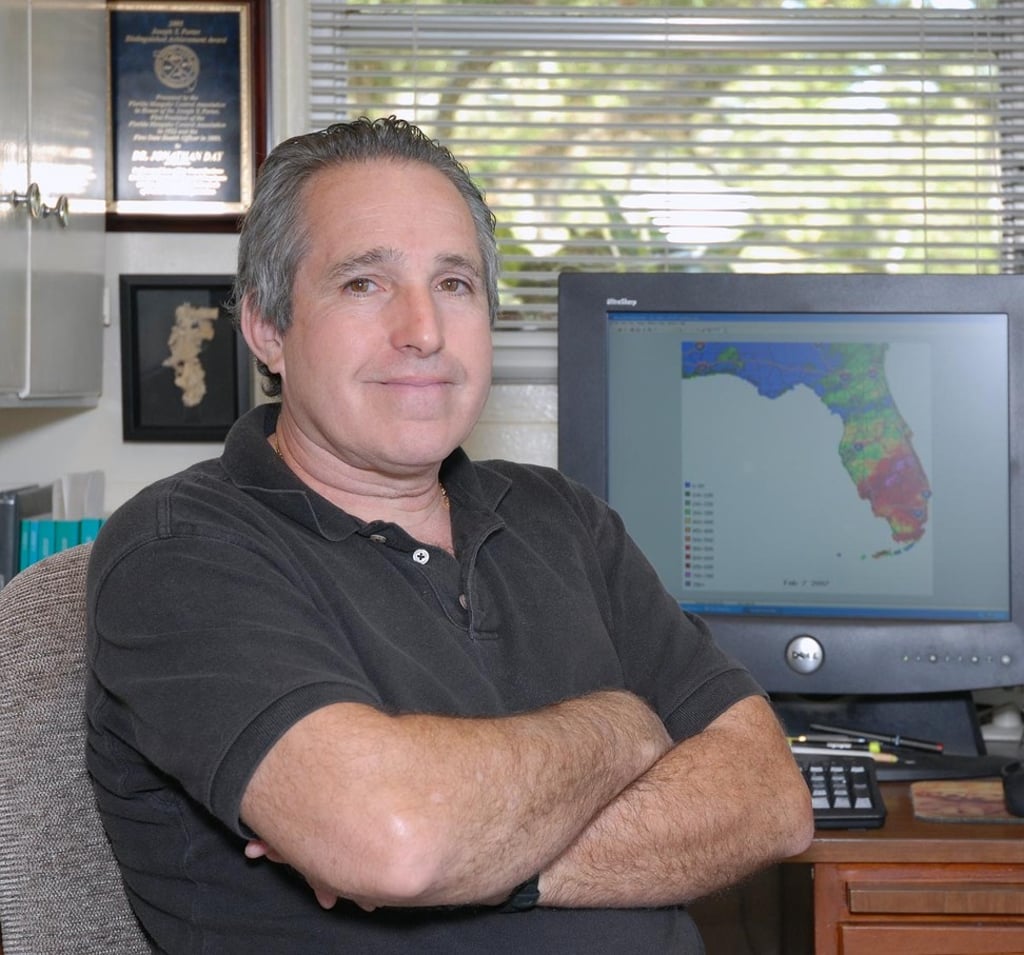
Jonathan Day, a professor of medical entomology at the University of Florida, has been studying mosquitoes and their behaviour since 1985. In three decades, he has come to know how they operate. They identify potential hosts through two main sets of cues, he says – olfactory, by smelling them, and visual.
A person’s body chemistry is the prime factor in whether they will be a mosquito magnet. “That is primarily how much carbon dioxide a person releases,” Day says, whether through the nose, mouth or skin. “People with high metabolic rates release more carbon dioxide and are very attractive to mosquitoes and all biting flies.” Larger people and pregnant women, as examples, exhale more air and carbon dioxide, and are more alluring to them.
Besides carbon dioxide, mosquitoes can sense other secondary chemicals released by humans and vertebrate animals, such as lactic acid, which is constantly produced by the muscles; acetone, another by-product of metabolism; and octanol, which is present in human sweat and breath.
Mosquitoes detect these substances and use them in combination with carbon dioxide to identify potential feeding stations, distinguishing them from other sources of carbon dioxide such as cars, says Day.