How to talk to and comfort suicide survivors, and better understand their anger and grief
Anthea Rowan learns from someone who witnessed his mother burn herself to death what suicide survivors want to hear from other people, and from a clinical psychologist how best to offer comfort and support

Having lost my father in a road traffic accident, I feel able to support friends and family whose loved ones have died through illness or casualty. But death by suicide places those left behind, the “survivors”, in a whole other, unimaginably painful, realm.
It is almost impossible to understand the feelings of abandonment and confusion that must accompany – and complicate – the grief of a person when somebody they love has chosen to take their own life. Suicide is the ultimate demonstration that dying is a less terrifying option than living, and for those left behind, it can be an agonisingly hard choice to live with.
I worried, as I wrote to a friend whose son committed suicide during an episode of depression, that my words sounded hollow. What could I possibly say to ease the pain? How could I help when I could not understand why it happened, and when she probably couldn’t either?
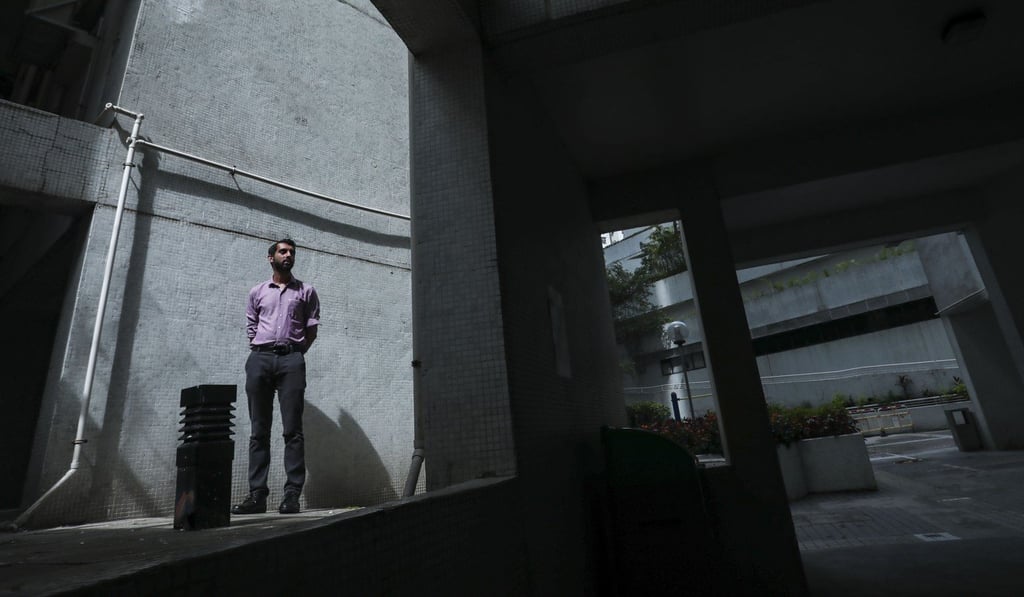
Suhas Bhat is an editor and financial journalist based in Hong Kong whose mother took her own life when he was just 10.
“My parents were having marital difficulties,” he remembers. His dad immersed himself in his job, leaving his mother, a housewife, at home. Far from her own family, she felt isolated. “I remember her crying a lot and feeling alone.”