How free bus rides to hospital have made births safer in Nepal, and overcome cultural preference for home births with their risks
More than two million Nepali women have been helped by a programme that provides access to medical services in the impoverished country, where dying in childbirth remains a real risk

As a teenager Meera Nepali was terrified as she went into labour with her first child at home in a remote village, kilometres from a hospital with nobody but her mother-in-law to help.
“I was a scared, but that was the norm. We didn’t have doctors close by,” Nepali says of her three-day labour in Khadadevi Village in Nepal’s hilly Ramechhap district.
This year, however, she delivered her second child in a rural health centre thanks to a small cash incentive that is getting pregnant women to hospital by paying their bus fares.
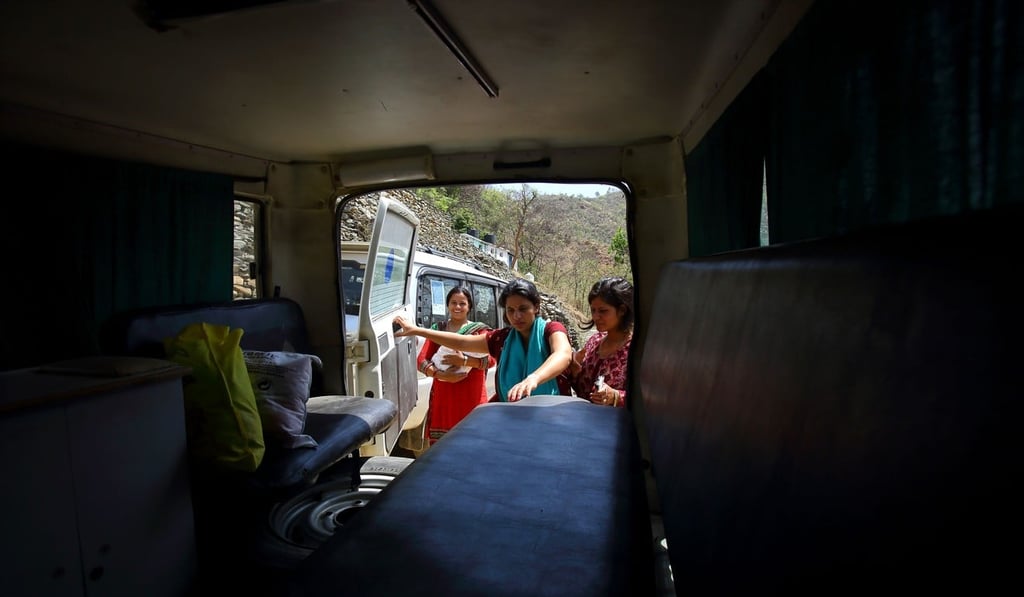
The Aama Surakshya, or “protection for mothers”, programme has helped more than two million Nepali women access medical services in the impoverished country, where dying in childbirth remains a very real risk.
The United Nations Population Fund says giving birth remains a leading killer of women of reproductive age in Nepal, where the risk of dying in childbirth is higher than anywhere else in South Asia except Afghanistan.