Chances of lung disease killing you is 31pc higher if parents smoked when you were a child, even though you are a non-smoker, study shows
For the first time, a study has found a correlation between growing up in a home where someone smoked and the likelihood of dying from chronic obstructive pulmonary disease, a lung condition, because of second-hand smoke. Another study shows quitting smoking prolongs your life, even if you risk weight gain and, possibly, diabetes

Childhood exposure to second-hand smoke is linked to lung disease decades later, according to a study published by the American Cancer Society.
For 22 years, researchers have been following more than 70,000 adults who have never smoked. At the beginning of the study, they were asked whether they lived in a household with a smoker while they were children. Those who did were 31 per cent more likely to die of chronic obstructive pulmonary disease (COPD). This is the first study to find a correlation between the two.
“We know that children exposed to second-hand smoke are more likely to have lung problems, asthma,” says Ryan Diver, the director of data analysis at the American Cancer Society and lead author of the study.
The surgeon general defines second-hand smoke as both the smoke from the burning cigarette and the smoke exhaled by smokers. “Whether you are young or old, healthy or sick, second-hand smoke is dangerous,” the surgeon general’s report said, “no amount of second-hand smoke is safe.”
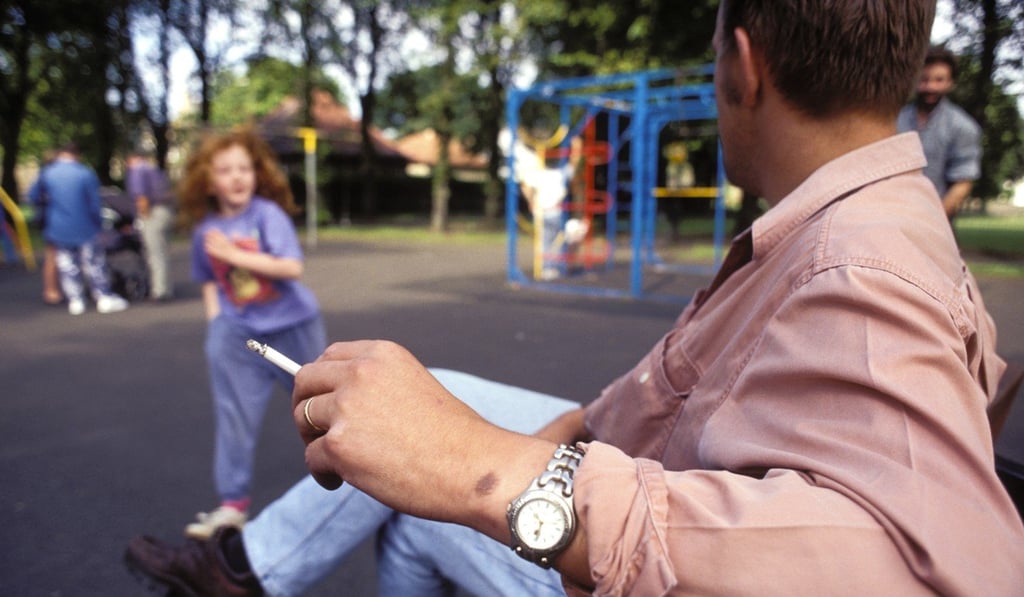
“There is evidence that second-hand smoke is even more detrimental than smoking. A lot of cigarettes have filters. So it [second-hand smoke] can be more detrimental in that regard,” says Geetha Raghuveer, a paediatric cardiologist at the University of Missouri at Kansas City School of Medicine.