Simple eye exam may one day help doctors predict Alzheimer’s disease before symptoms even appear
Using equipment similar to the kind already available at most eye doctors’ offices, researchers detected thinning in the retina, something that experts had previously seen in autopsies of people who died from Alzheimer’s disease

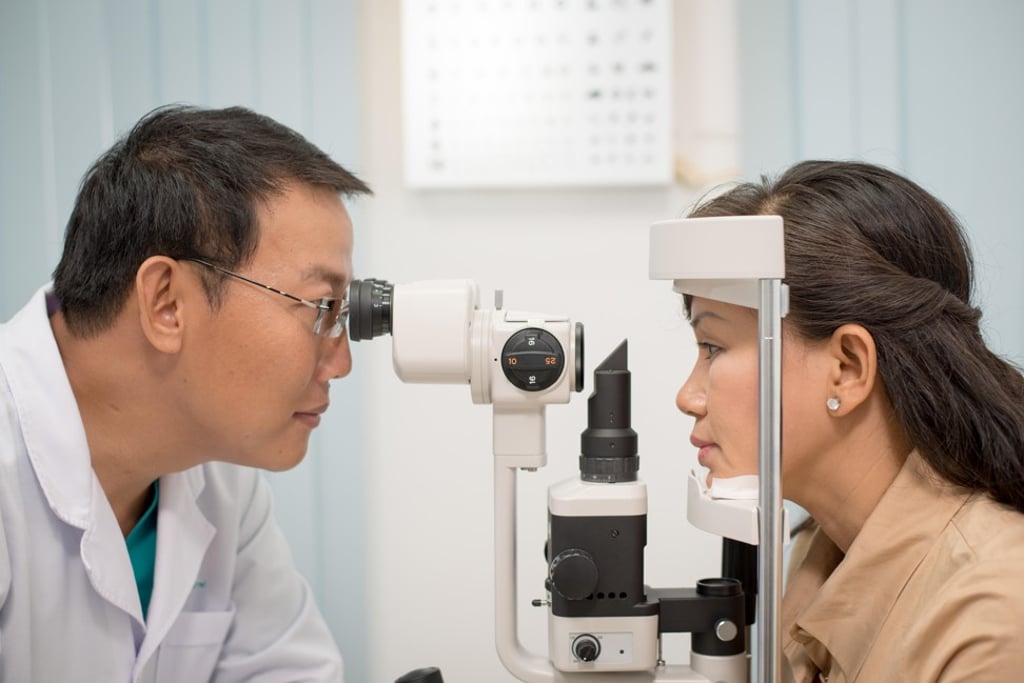
Advances in eye exam technology could one day help doctors diagnose people with Alzheimer’s disease long before symptoms appear, researchers said.
Using equipment similar to the kind already available at most eye doctors’ offices, researchers detected signs of Alzheimer’s in a small sample of 30 people, according to a study published in the Journal of the American Medical Association (JAMA) Opthalmology.
Those enrolled in the study – all in their mid-70s with no outward symptoms of Alzheimer’s – underwent PET scans or sampling of spinal fluid. About half came back with elevated levels of the Alzheimer’s proteins amyloid, or tau, suggesting they would eventually develop dementia.
In this group, researchers also found thinning in the retina, something that experts had previously seen in autopsies of people who died from Alzheimer’s disease.
“In the patients with elevated levels of amyloid or tau, we detected significant thinning in the centre of the retina,” said co-principal investigator Rajendra Apte, professor of ophthalmology and visual sciences at Washington University in St Louis, Missouri.
“All of us have a small area devoid of blood vessels in the centre our retinas that is responsible for our most precise vision. We found that this zone lacking blood vessels was significantly enlarged in people with preclinical Alzheimer’s disease.”