Superbug related to deadly MRSA and resistant to all known antibiotics spreading through hospitals across the world, says Australian study
Researchers at the University of Melbourne discovered three variants of a multidrug-resistant bug in samples from 10 countries including some in Europe

A superbug resistant to all known antibiotics that can cause “severe” infections or even death is spreading undetected through hospital wards across the world, scientists in Australia warned on Monday.
Researchers at the University of Melbourne discovered three variants of the multidrug-resistant bug in samples from 10 countries, including strains in Europe that cannot be reliably tamed by any drug currently on the market.
“We started with samples in Australia but did a global snapshot and found that it’s in many countries and many institutions around the world,” said Professor Ben Howden, director of the university’s Microbiological Diagnostic Unit Public Health Laboratory. “It seems to have spread.”
The bacteria, known as Staphylococcus epidermidis, is related to the better-known and more deadly MRSA (methicillin-resistant Staphylococcus aureus).
It is found naturally on human skin and most commonly infects the elderly or patients who have had prosthetic materials implanted, such as catheters and joint replacements.
“It can be deadly, but it’s usually in patients who already are very sick in hospital … it can be quite hard to eradicate and the infections can be severe,” Howden said.
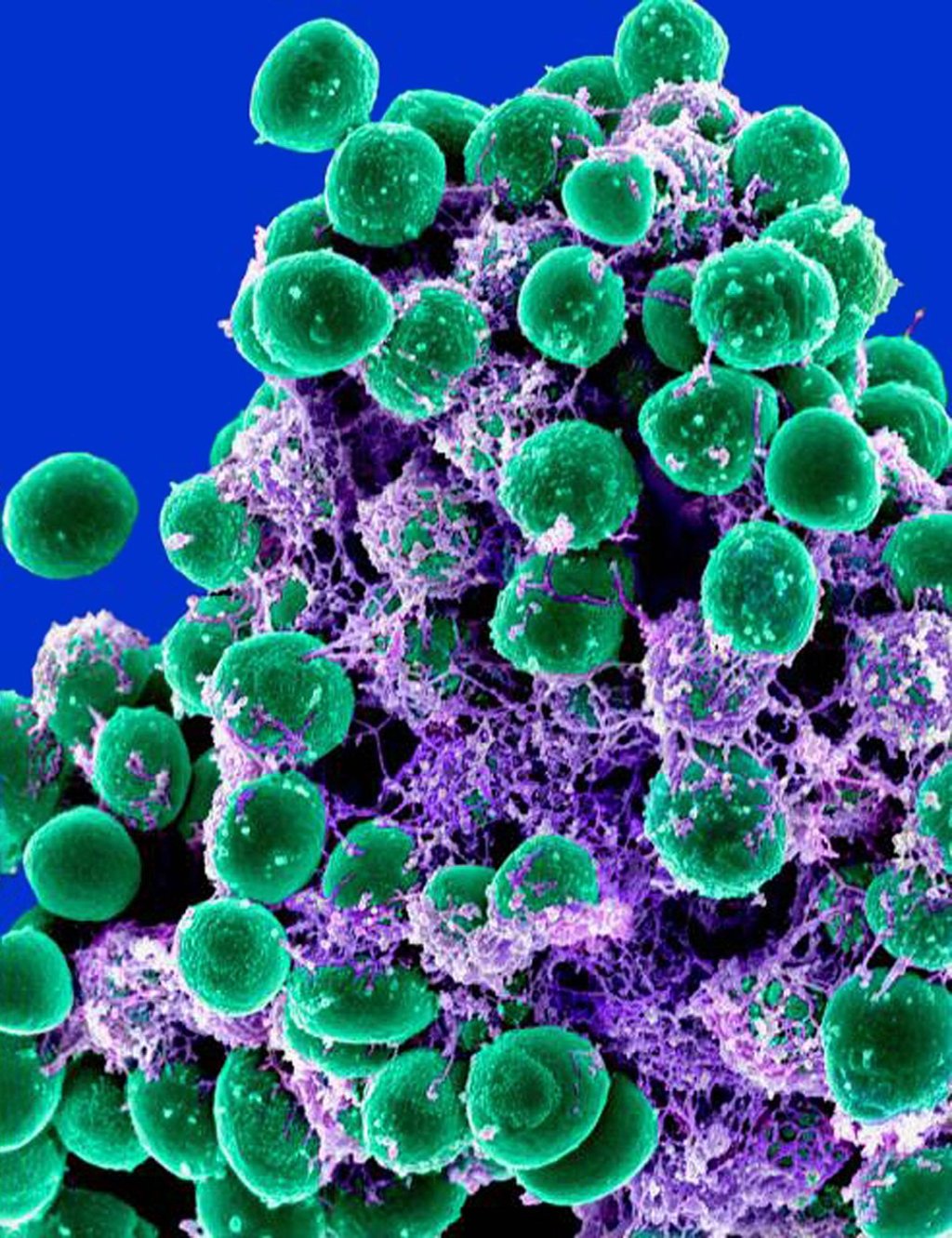
His team looked at hundreds of S. epidermidis specimens from 78 hospitals worldwide. They found that some strains of the bug made a small change in its DNA that led to resistance to two of the most common antibiotics, often administered in tandem to treat hospital infections.