Removing harmful ‘zombie’ cells reduces Alzheimer’s impact in mice, raising hope for dementia prevention
The removal of dead cells that accumulated in the brains of mice slowed their memory loss and neuron damage. Human treatments to slow or block Alzheimer’s may be a while away, however

Eliminating dead but toxic cells occurring naturally in the brains of mice designed to mimic Alzheimer’s slowed neuron damage and memory loss associated with the disease, according to a study that could open a new front in the fight against dementia.
The accumulation in the body of “zombie cells” that can no longer divide but still cause harm to other healthy cells, a process called senescence, is common to all mammals.
Scientists have long known that these cells gather in regions of the brain linked to old age diseases ranging from osteoarthritis and atherosclerosis to Parkinson’s and dementia.
Prior research had also shown that the elimination of senescent cells in ageing mice extended their healthy lifespan.
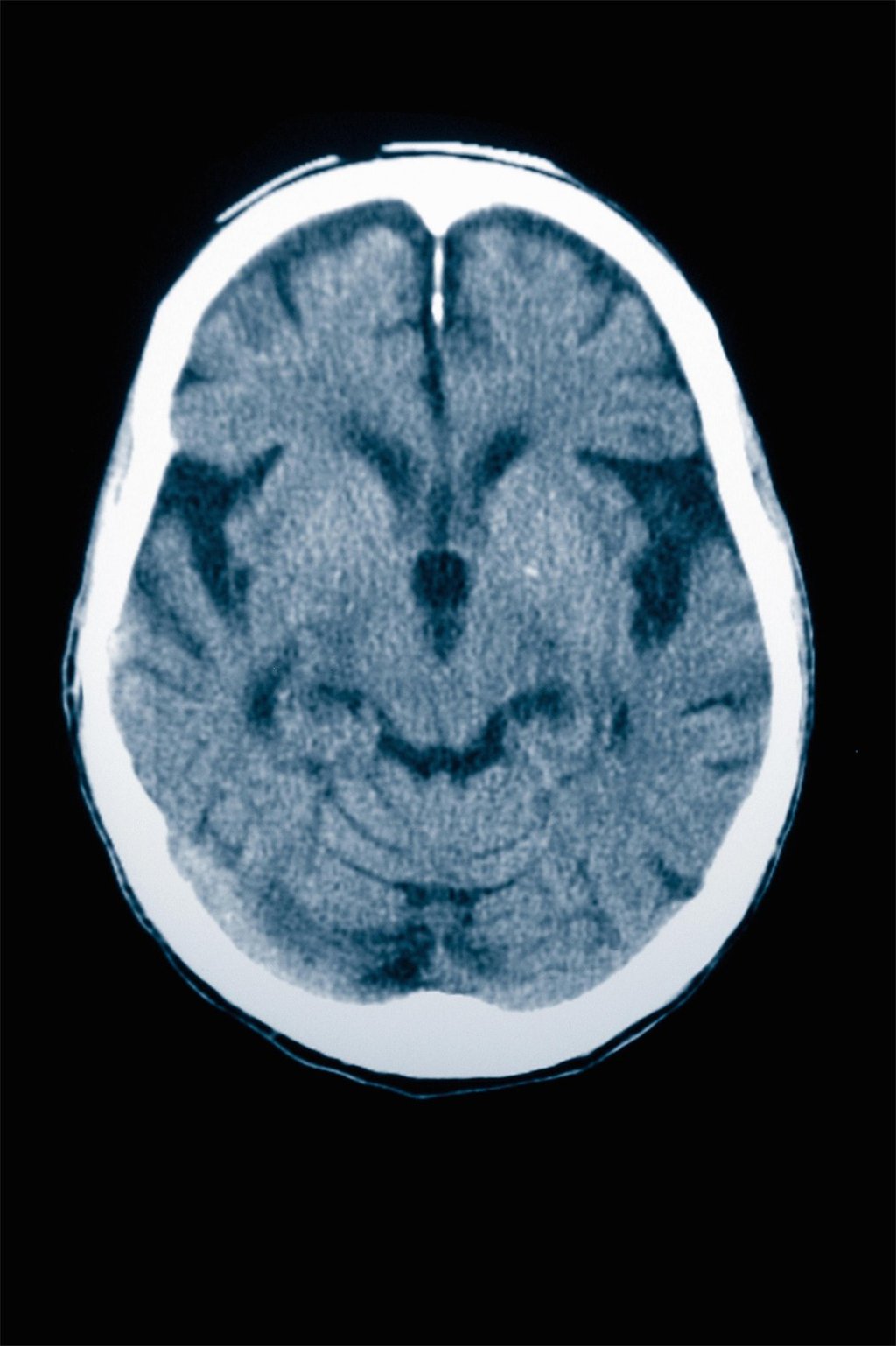
But the new results, published in Nature, are the first to demonstrate a cause-and-effect link with a specific disease, Alzheimer’s, say the scientists.