What deadly 1918 Spanish flu outbreak taught us, and how world can ready for next pandemic
Some scientists believe the next major influenza pandemic could kill 150 million people, with diabetes, obesity, antibiotic-resistant bacteria and global warming complicating the fight against it

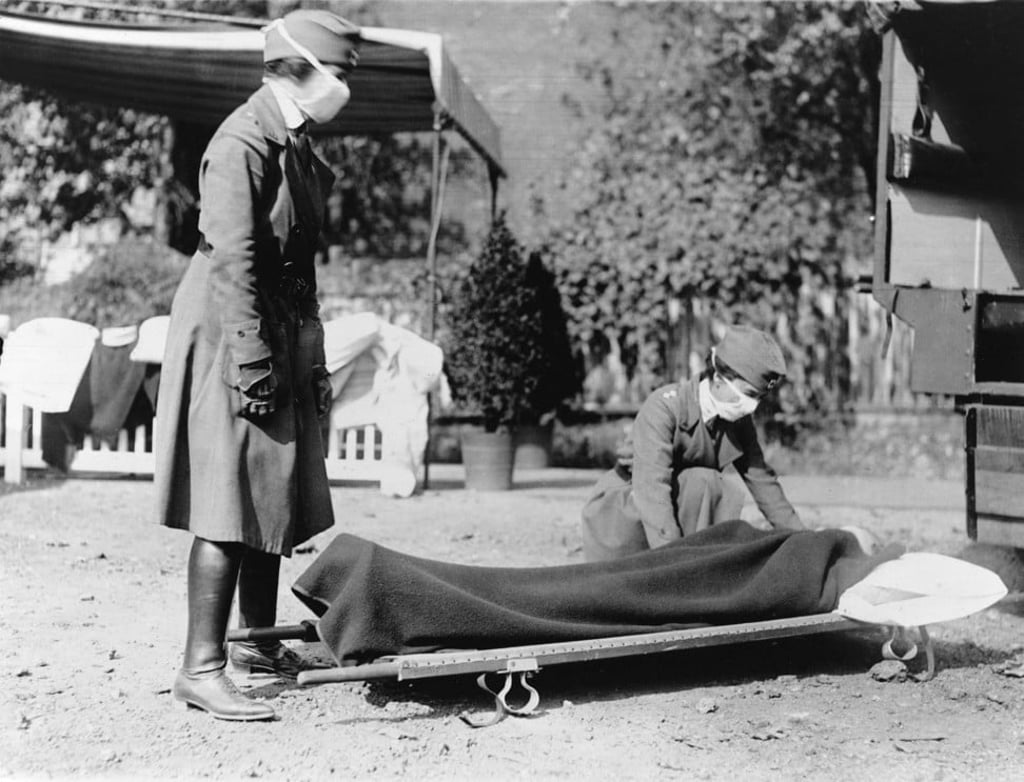
It was the disease to end all others, infecting a third of humanity, killing tens of millions in their beds and prompting panicked talk of the end of days across continents still reeling from war.
One hundred years on from the influenza outbreak known as the Spanish flu, scientists say that while lessons have been learned from the deadliest pandemic in history, the world is ill-prepared for the next global killer.
In particular, they warn that shifting demographics, antibiotic resistance and climate change could all complicate any future outbreak.
“We now face new challenges including an ageing population, people living with underlying diseases including obesity and diabetes,” says Dr Carolien van de Sandt from the Peter Doherty Institute for Infection and Immunity at the University of Melbourne.
Scientists predict that the next influenza pandemic – most likely to be a strain of bird flu that infects humans and spreads rapidly across the world via air travel – could kill up to 150 million people.