Low-dose aspirin use can reduce risk of cancer and stroke, study shows
- Aspirin’s anti-inflammatory and platelet-lowering properties are key to reducing risk of a number of cancers
- The drug cuts the risk of ovarian cancer by 23 per cent; similar use of ibuprofen increases cancer risk

Research suggests that daily low-dose aspirin could reduce the risk of developing certain cancers: colon, breast, prostate and ovarian.
A study co-led by the Moffitt Cancer Centre in the United States found that women taking a daily low-dose aspirin – about 81mg – had a 23 per cent lower risk of ovarian cancer compared to non-users.
Conversely, the same research found that women who were heavy users of non-aspirin nonsteroidal anti-inflammatory drugs (NSAIDs), such as ibuprofen, over a long period of time – say, 10 tablets weekly for many years – had a higher risk of developing ovarian cancer.
Ovarian cancer is the most fatal gynaecological cancer, largely because it is difficult to detect. It is believed that the inflammation that occurs during ovulation plays a role in its development. Professor Victoria Seewaldt of the City of Hope cancer hospital in California says one reason aspirin could help prevent ovarian cancer is its anti-inflammatory properties.
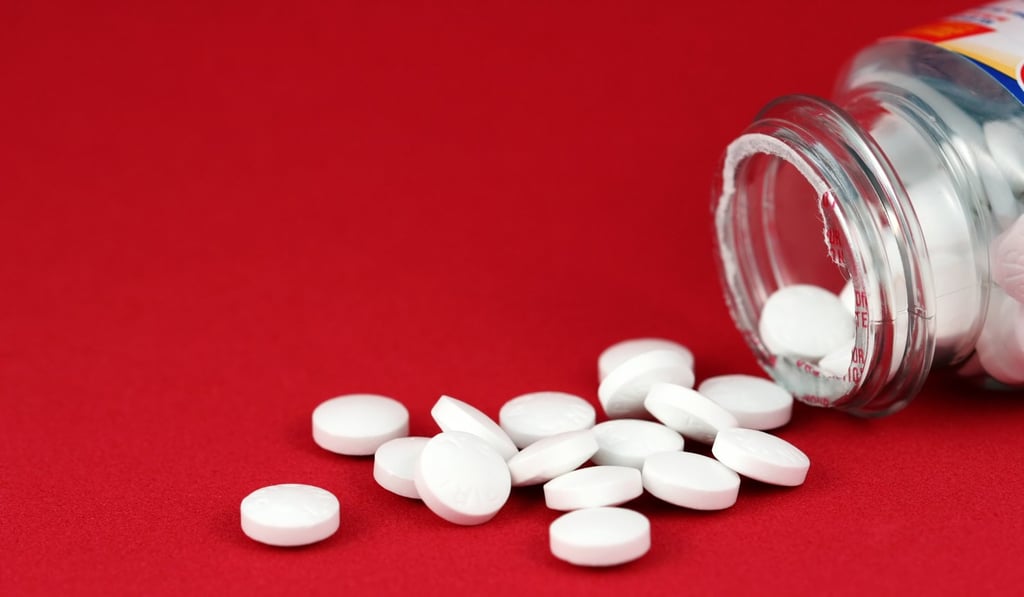
Additionally, however, as a blood thinner aspirin has the potential to lower the risk of heart attack and stroke. It also reduces the number of platelets in the blood, which could be beneficial in slowing cancer growth.