How the bladder works, what can go wrong with yours and five pee myths busted
- The bladder is a grapefruit-sized expandable bag that signals when it needs emptying; it can be affected by cystitis, incontinence, infections and overactivity
- Your questions answered, from whether your bladder can burst to whether you should drink your own pee

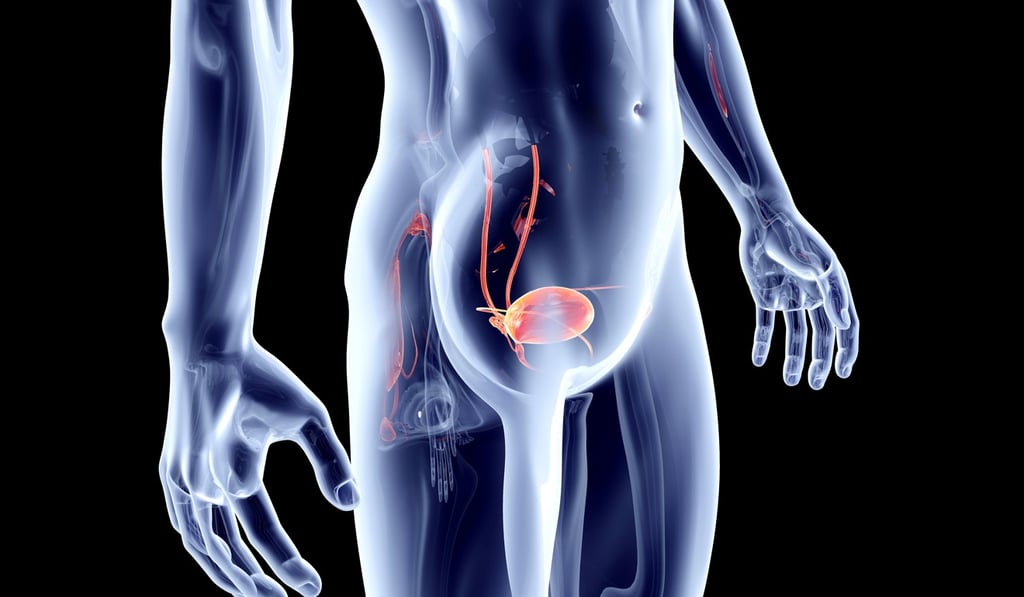
The bladder – a neat little bag that is located under the kidneys, tucked behind the pelvic bone – is a pretty cool organ, but most of us don’t think about it until we need to empty it. About the size of a grapefruit, it can stretch substantially and hold up to half a litre of pee for as many as five hours reasonably comfortably (the sensation of needing to pee begins when it’s about half full, 200ml to 300ml). After it’s emptied, it neatly pings back into shape.
The bladder is connected to the kidneys by two tubes called ureters. When urine is produced by the kidneys, it travels down the ureters to the bladder, ready to be expelled when we have a pee.
The bladder is composed of four layers: the epithelium (the little ridges – rugae – on this inner lining make the bladder expandable), the lamina propria, detrusor muscle (when this contracts, the muscles in the urethra relax and your bladder knows it’s time to empty) and the outer layer, the perivesical soft tissue.
As the bladder fills, it sends a signal to the brain, which in turn sends the message to empty the bladder. If all the messages happen in sequence, you’ll pee.
While we have some control of our bladders, we have none over our kidneys. It takes time for the brain/bladder signalling system to fully develop, which is why we shouldn’t try to potty train young children too early. A child less than a year old usually has no control over their bladder or bowel movements; the sensory development doesn’t happen until between the ages of two and two and a half.