How heartbreak is a real physical thing, and how to deal with it
- People whose hearts have been broken can experience changes in brain function and the shape of their heart
- Bereaved people are likely to suffer from symptoms that mimic heart attacks

Who hasn’t suffered from a broken heart, or supported a friend whose heart has been broken? Heartbreak is a common phenomenon.
Lisa Shulman, a neurology professor at the University of Maryland School of Medicine, knows all about that. She has written a book born of her own experience of grief following her husband’s death.
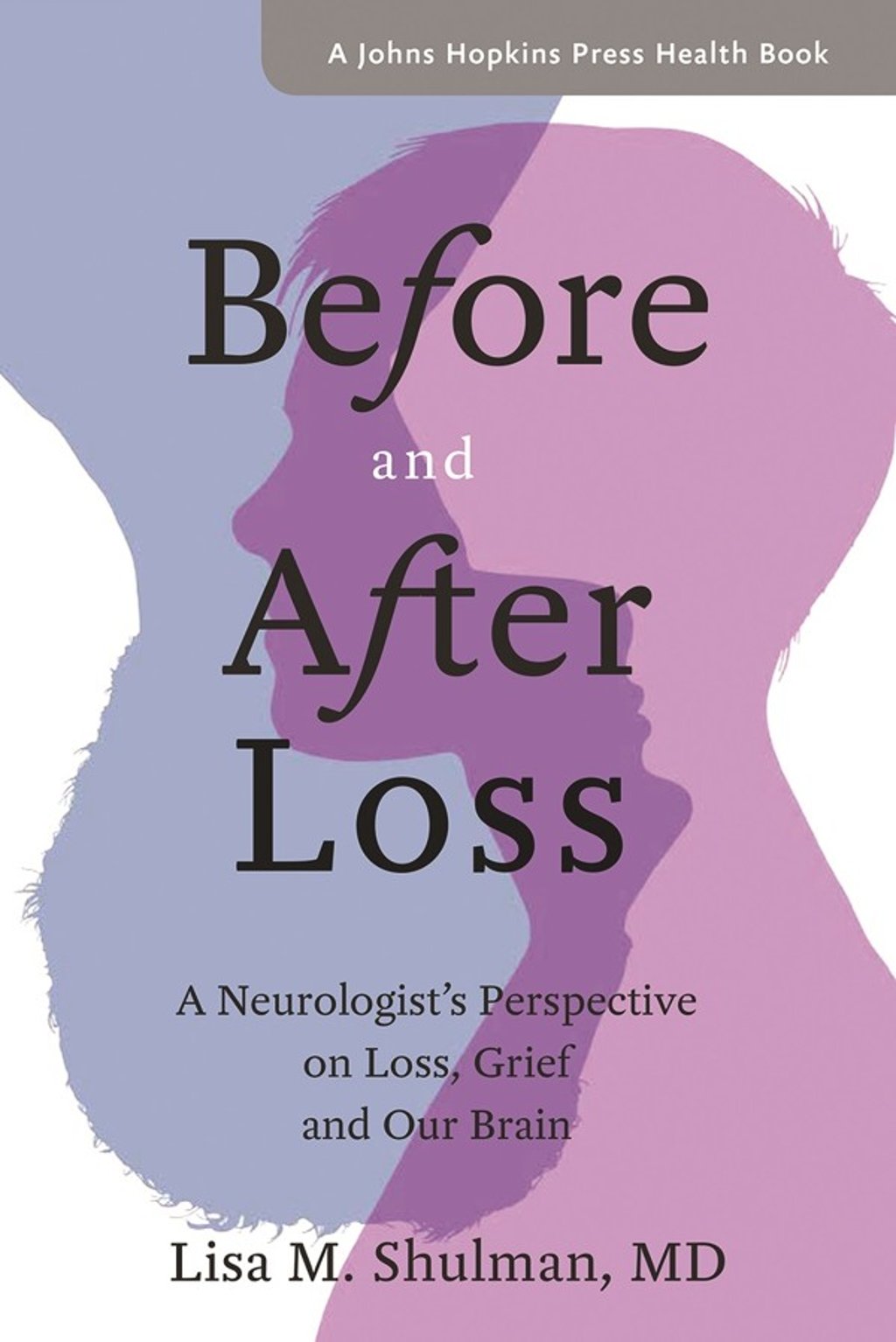
“The emotional trauma of loss has profound effects on the mind, brain and body”, Shulman writes in Before and After Loss: A Neurologist’s Perspective on Loss, Grief, and Our Brain – due for publication this month.
“The recent death of US ex-president George Bush less than eight months following the loss of his wife, Barbara Bush, highlights the serious consequences of emotional trauma,” Shulman says. “In fact, there’s a pronounced increase in accidents, illness and death of the surviving spouse in the year following loss.”
She adds: “As our understanding of physical traumatic brain injury has expanded to include concussions in sports, it’s time to expand the definition to include emotional traumatic brain injury.