CBD: the people who understand the potential of medicinal marijuana, and the officials who don’t
- NFL players use it, Thailand just legalised it, drinks giants are looking at it, even pets are getting it: acceptance of cannabidiol’s benefits is growing
- The compound is not psychoactive, and so does not make users high, yet most governments, including Hong Kong’s, are in no hurry to approve CBD use

Mabel had not long turned 87 when she slipped on a patch of ice while out on her daily walk and broke her arm.
The problem was compounded by a history of joint problems and it left Mabel in considerable pain, as well as restricting her ability to lead what had up until then been a relatively active life.
“At this stage she really didn’t know what to do,” says James, Mabel’s son. “But someone suggested CBD pills and she was moving around, without pain, within a week. The change really was that dramatic.”
The global discussion about the medicinal use of cannabidiol (CBD) has reached Hong Kong in the past few months, sparked by the staging of The Cannabis Investor Symposium and evidence of the substance’s benefits, both anecdotal and established, with CBD having successfully been used in the treatment of a wide variety of ailments.
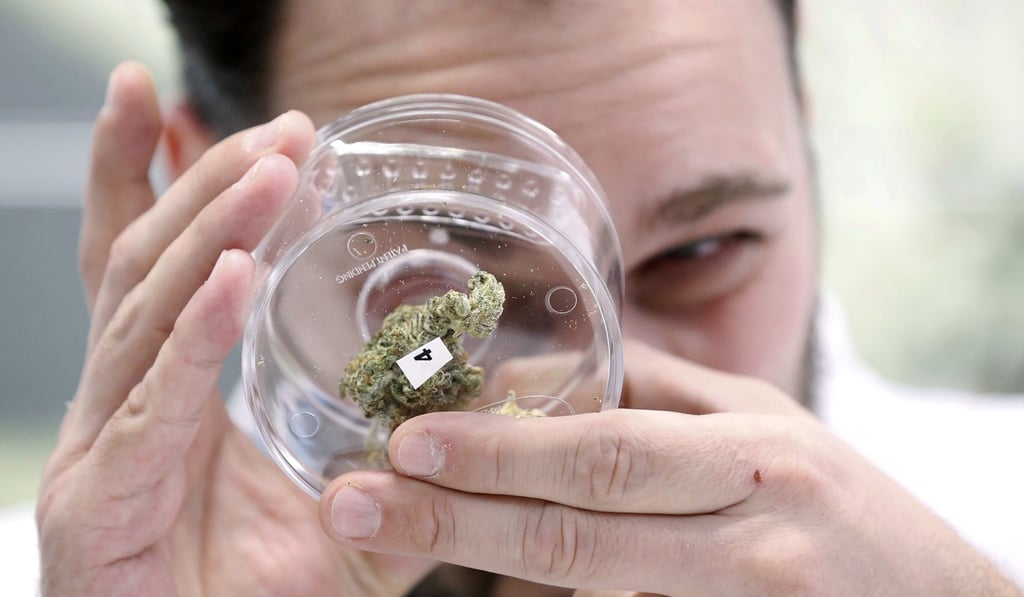
James says Mabel thought she’d been cured of her pain, so she stopped taking the pills after that first week, only to turn to more accessible and available CBD oil when the discomfort returned. It had the same positive effects.
James also says his mother had no qualms at all about using a substance that remains – in some markets, at least – clouded by doubt due to the fact that it is associated with, and sometimes mistaken for, the product from which it is extracted.