Why the liver is a multi-purpose marvel and how we can help keep it healthy
- Half a liver can regrow to its normal full size in just two weeks
- 60 to 70 liver transplants are done each year in Hong Kong, mainly due to cancer or hepatitis-induced liver failure

We often hear talk of the liver in relation to alcohol – “My liver won’t thank me in the morning!” we might say while out drinking. But it may be time to pay attention to this organ, and appreciate it for the marvel that it is. Responsible for carrying out over 500 functions, the liver is both the largest gland and the largest solid organ in the body. A “dry” January probably would have been a good idea.
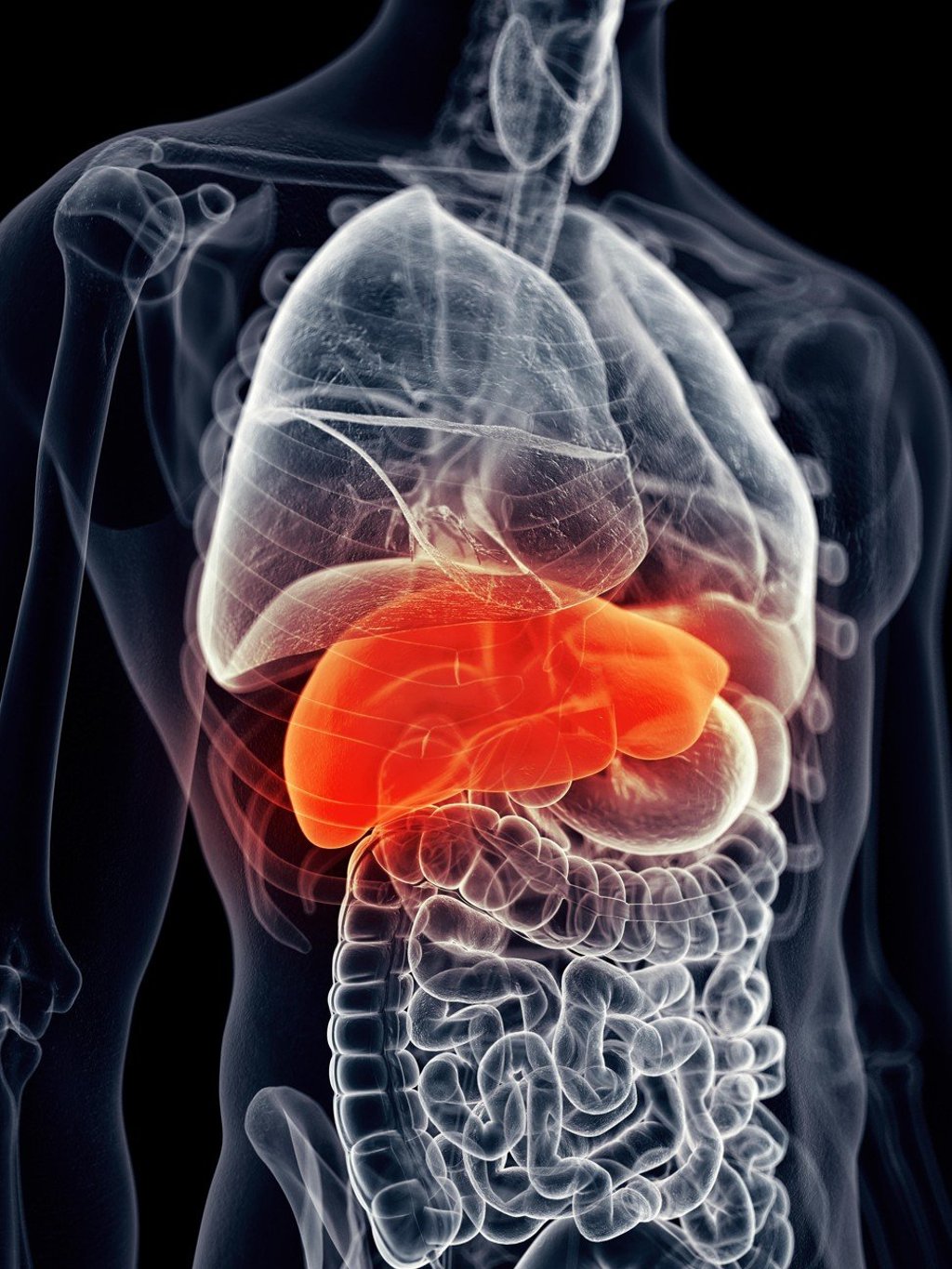
The liver is found in the upper right quadrant of the abdomen – the area underneath the ribs on the right side of your body. It is split into two main lobes which are then divided into eight segments, each with about 1,000 smaller lobules. Sixty per cent of the liver is made of cells called hepatocytes, of which there are more than 200,000 in every milligram of liver tissue. These cells survive on average for 150 days.
Approximately 13 per cent of the body’s total amount of blood – about a pint – is found in the liver. It filters 1.5 litres of blood every minute. Every day, this organ also produces from 800 to 1,000 millilitres of bile, which helps the body break down and absorb fats.
This multi-purpose organ weighs between 1.2 and 1.5 kilograms.
Dr Paul Ng, a Hong Kong-based specialist in gastroenterology and hepatology (concerning diseases that affect the liver, gallbladder, biliary tree and pancreas) summarises the liver’s four main jobs.