How plague in Hong Kong sowed seeds of democracy, changed urban planning and helped heal social divisions
- Influenza, TB, cholera, malaria, Sars and plague outbreaks changed Hong Kong in ways few people appreciate, as a series of events will show
- Contagious Cities first exhibition, at Tai Kwun, recalls how 1894 plague outbreak triggered drastic improvements in sanitation

A major cultural project seeks to remind visitors how Hong Kong has been shaped not only by commerce and trade, but also by outbreaks of disease.
Few may be aware, for example, that the 1894 outbreak of bubonic plague sowed the seeds for the introduction of representative democracy in the city.
“Contagious Cities: Far Away, Too Close” is sponsored by the Wellcome Trust, one of the world’s biggest medical research foundations, and combines art and heritage to explore the impact of pandemics on the city.
“We want to encourage visitors to have new thoughts and conversations about disease and public health in Hong Kong,” said Ken Arnold, creative director of the trust, at the opening event hosted at the Tai Kwun arts and heritage centre in Central last month.
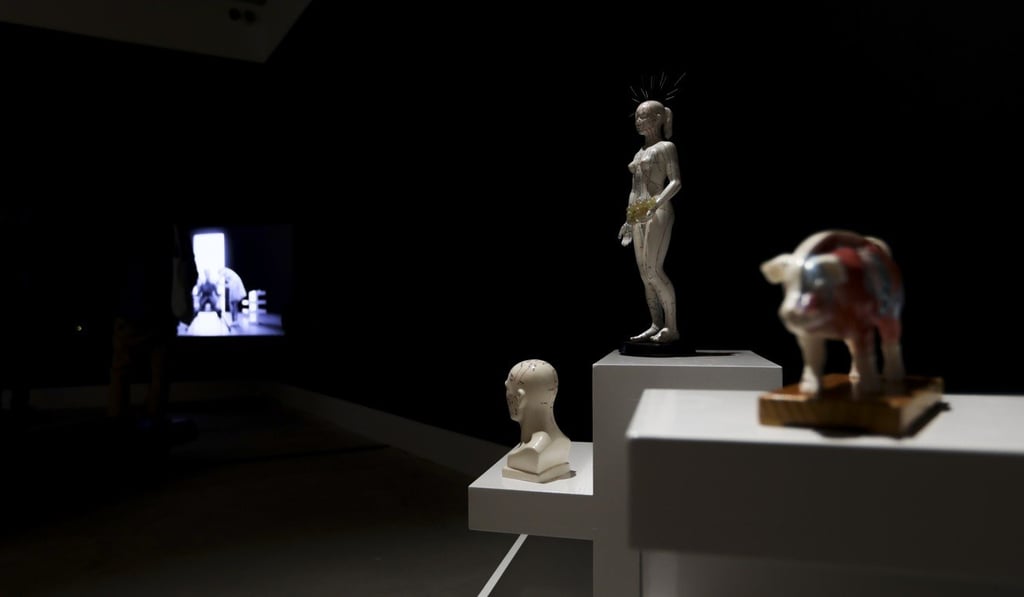
Different versions of Contagious Cities have been staged in New York and Geneva, and it will next head to Berlin. It is the first time the Wellcome Trust has attempted a major cultural project in Asia.