The kidneys: how they work and the best ways to keep them healthy
- Kidneys filter the blood and strain out waste products and water, which end up as urine
- Hypertension and diabetes are common causes of kidney disease, the risk of which can be lowered with a diet low in salt and red meat

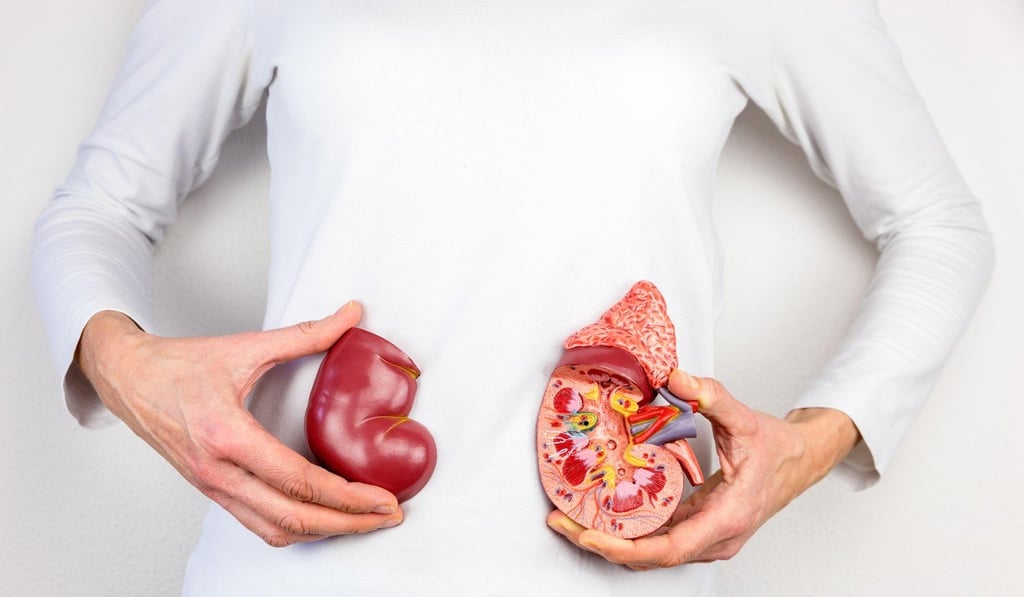
Kidneys usually come in pairs and each is about as big as a computer mouse or a regular mobile phone. Shaped like beans, they live just below the rib cage on either side of the spine. Each one weighs about 142 grams (five ounces) and is about 13 centimetres (five inches) in length.
Some babies are born with just one. This often grows to the weight of a combined pair of healthy kidneys and if it stays healthy, will do the job of a pair perfectly well on its own.
The kidneys and urine have been the source of interest, examination and discussion for centuries. Greek philosopher Aristotle described the kidneys as “not present for necessity in animals but have the function of perfecting the animal itself”.
He got that wrong – kidney function is vital for life. Blood flow through the kidneys is substantial; though they weigh just 0.5 per cent of the entire average body weight, they receive more arterial blood than any other organ in the body.