Dread Pap smears? New DIY cervical cancer test for HPV puts women in Malaysia in charge
- Thousands of Malaysian women are benefiting from Project Rose, a cervical cancer screening programme that can be done in the privacy of their homes
- Unlike the conventional Pap smear, it allows women to take a cell sample themselves at home, and receive their test results by phone
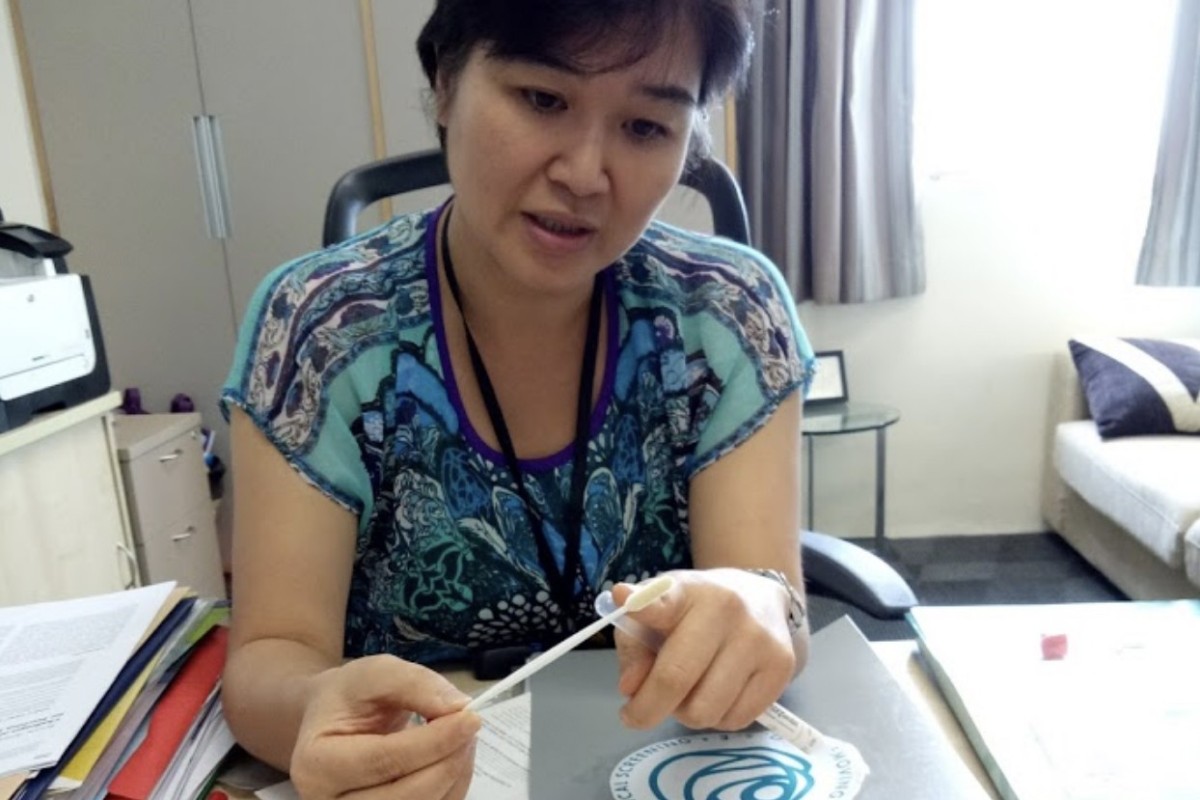
Fauziah Khalek had no idea that a routine visit to her local clinic in Malaysia’s Selangor state might save her life. She was there for a routine appointment, when a poster about cervical cancer screening caught her eye.
“I was curious, so I thought I’d give it a try,” says the 45-year-old financial executive. She was given a kit that allowed her to take her own sample using a small swab, which she handed in to the clinic. Three days later, she got a notification on her phone telling her that she was found to be carrying human papillomavirus, or HPV, meaning she was at risk of developing cervical cancer.
“I was shocked,” Fauziah says. “I get a Pap smear every three years, but HPV wasn’t detected.” She immediately booked a follow-up appointment, and was referred to hospital for an examination. “After the second round of treatment, I was told I was completely HPV free,” she says. “I’m so grateful for the test. There’s a possibility it saved my life.”
Fauziah is one of thousands of Malaysian women who have already benefited from Project Rose, a cervical cancer screening programme that is revolutionising women’s health care in the country. It differs from the conventional Pap smear by allowing women to take a cell sample in the privacy of their own homes, and to receive their test results by phone.
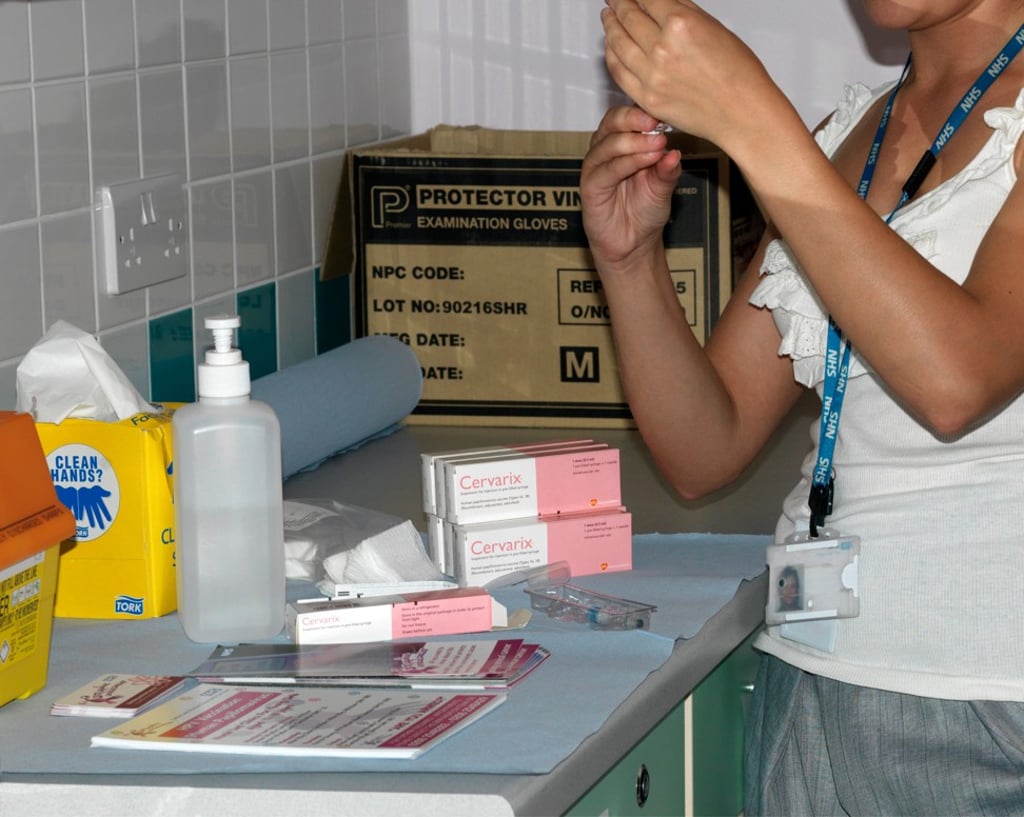
“Project Rose means women no longer need to dread doing Pap smears in uncomfortable positions and environments. It empowers women,” says Professor Woo Yin Ling, a gynaecologist at the University of Malaysia who developed the programme.